Most travelers can see the Big Five lions, elephants, and buffalo easily in Northern Tanzania. The Serengeti Big Five Safari Guide, Leopards and black rhinos are different. Leopard sightings depend heavily on dawn timing in Seronera Valley, while black rhino sightings often come down to how many Ngorongoro mornings your itinerary includes. This guide explains where each Big Five animal is found, the realistic sighting probabilities, the best safari routes, and how experienced guides improve your chances in Serengeti, Tarangire, and Ngorongoro Crater.
Yes, all five Big Five animals can be seen in Northern Tanzania, but not equally easily. Lions and buffalo are common in the Serengeti, while leopards require early morning drives in the Seronera Valley. Black rhinos are the hardest to find and are more reliably seen in Ngorongoro Crater. A safari combining Tarangire, Serengeti, and Ngorongoro gives travelers the best overall chance of seeing all five species.
Key Stats
- 3,000+ Lions in Serengeti (highest density on Earth)
- 1,000+ Leopards across the ecosystem (solitary, difficult to spot)
- 98% Lion probability in Seronera Valley over 3 drives
- 70% Black rhino probability with two Ngorongoro mornings
- 45 Black rhinos remaining between the Serengeti and Ngorongoro combined
Introduction: The Serengeti Big Five Reality
The Big Five — lion, leopard, elephant, buffalo, and black rhino — started as a colonial hunting classification for Africa’s most dangerous animals to pursue on foot. Today, they’re the ultimate safari checklist.
Here’s the truth: All five species live in Tanzania’s Northern Circuit parks. But not in equal abundance or equal visibility. Seeing all five requires understanding where each species concentrates, when they’re most active, and which parks solve specific gaps.
Most first-time travelers see four of the five. The two that commonly cause misses are leopards (due to insufficient Seronera Valley time) and black rhinos (due to genuinely low population numbers). This guide explains each species’ location, seasonal patterns, and the realistic probabilities based on 22 years of field experience from our base in Moshi.
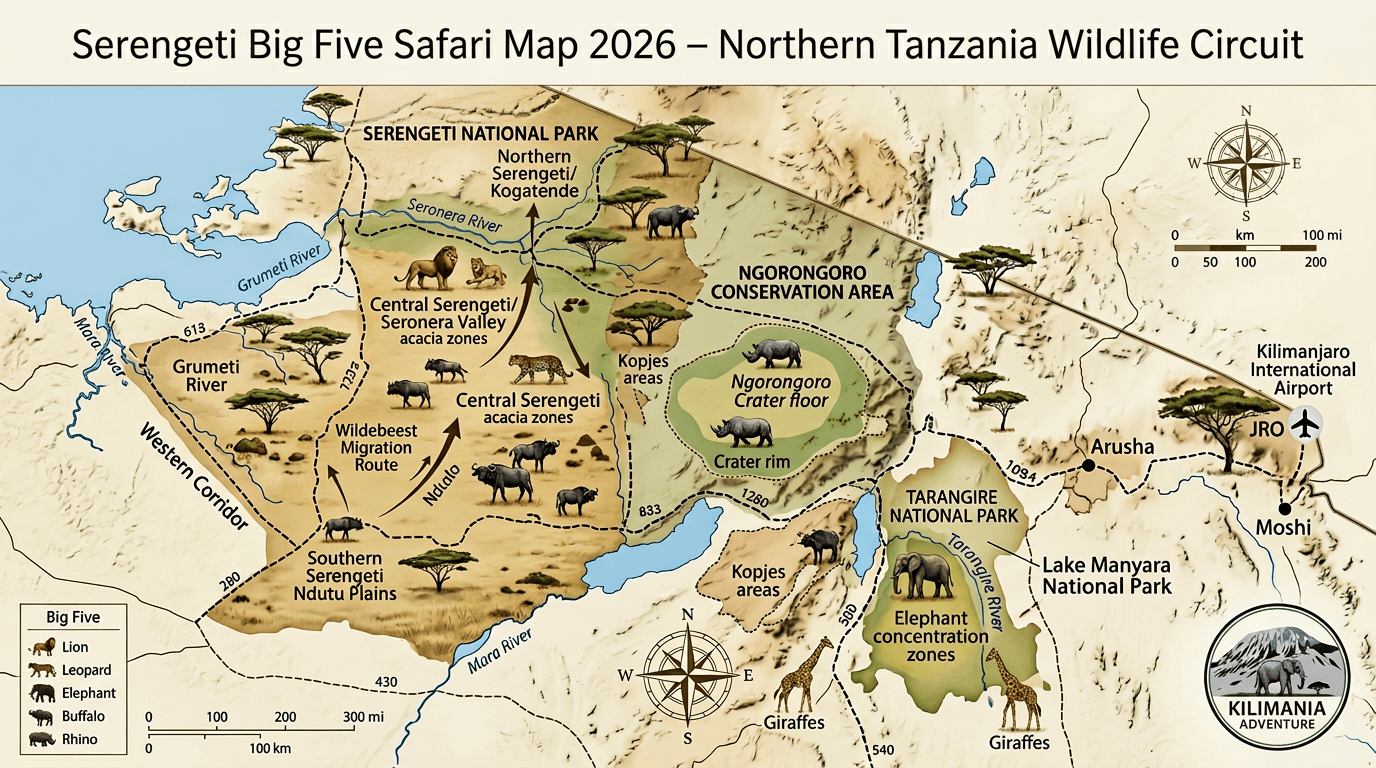
Planning a Northern Tanzania safari for the Big Five starts with understanding how each park works together. Serengeti delivers the strongest lion and leopard sightings, Tarangire concentrates elephants during the dry season, and Ngorongoro Crater gives the best black rhino opportunity.
Travelers comparing routes, costs, and safari styles should first review our complete Tanzania Safaris overview and detailed Tanzania Safari Packages 2026: Expert Cost Guide before choosing an itinerary.
Where to See the Big Five in Serengeti and Northern Tanzania
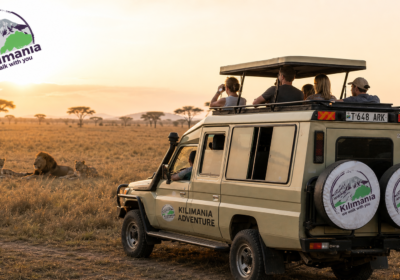
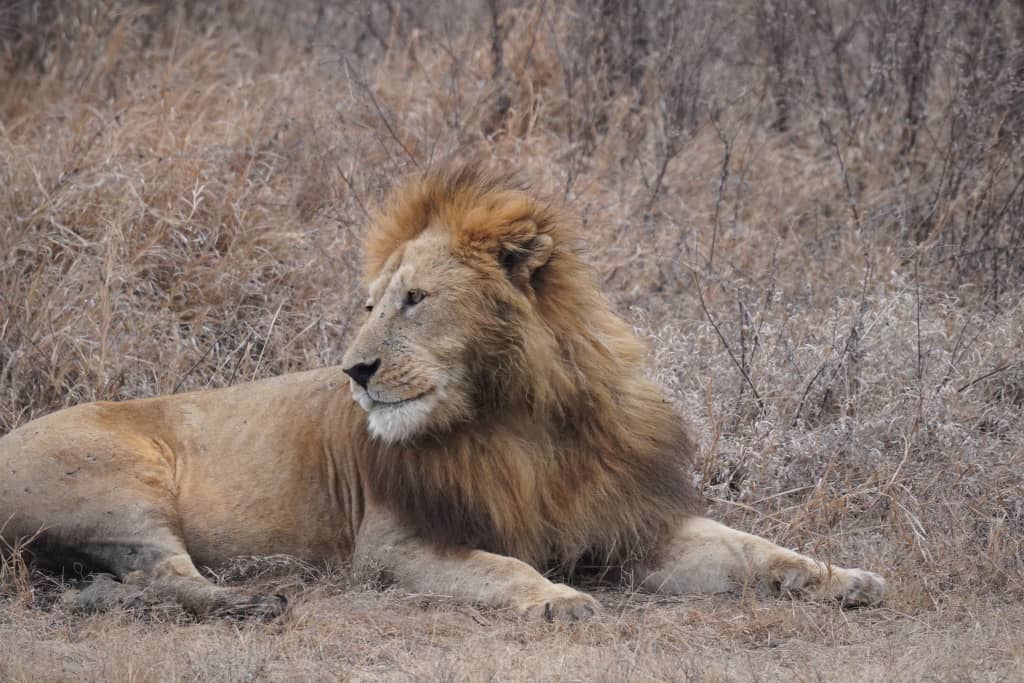
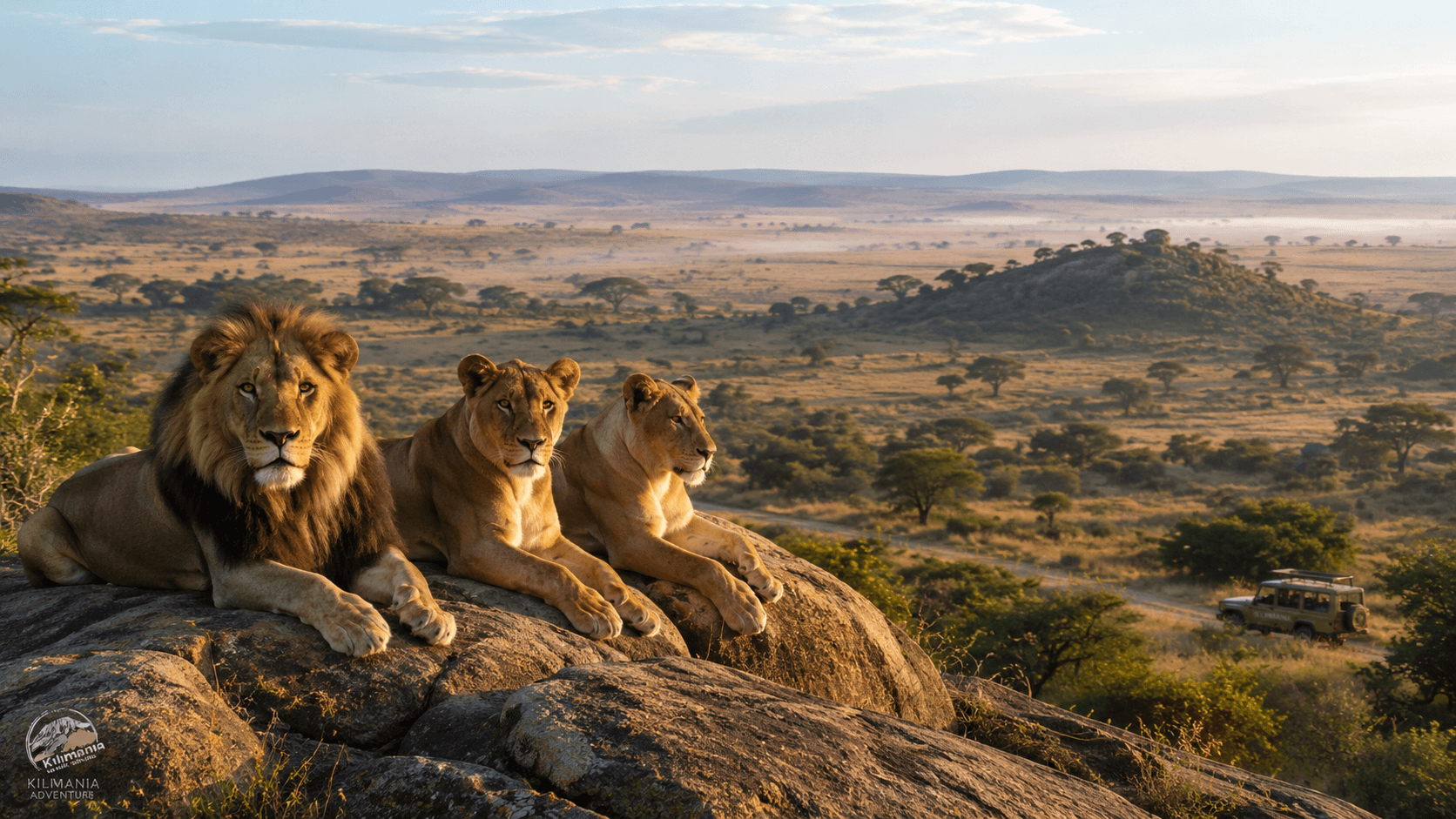
Lions are the Big Five gimme. Serengeti has one of the highest lion concentrations in Africa, especially around the central Serengeti’s Seronera Valley.
Seronera Valley: The Lion Hub
Central Serengeti’s Seronera Valley is home to 12–15 resident prides living within 50 km². Permanent water from the Seronera River and year-round prey concentration predictably concentrate lions.
Sighting opportunity: Lions are seen regularly in Seronera, especially during morning drives.
Lions are diurnal hunters, sleeping 20 hours per day on kopjes (rocky outcrops) and under acacia trees. This makes them visible during daylight hours — unlike leopards, who vanish into darkness.
Morning drives (6:00–8:30 AM) offer the best viewing. You’ll see lions resting in shade, cubs playing, or — if you’re lucky — a hunt in progress. During dry season (June–October), lions concentrate near permanent water, making them even more predictable.
Secondary Lion Zones
Ndutu Plains (January–March): During calving season, wildebeest births attract 6–8 lion prides. This is peak predator action — expect lion hunts daily.
Kogatende (July–October): Northern Serengeti during river crossings. 5–7 prides follow the migrating herds.
Reality check: You will see lions in the Serengeti. The only variable is how many and in what behavior. Budget for one Seronera morning at a minimum.
Travelers unfamiliar with Serengeti geography should also read our complete Serengeti National Park Safari Guide | 2026 Cost & Package, which explains the differences between Seronera, Ndutu, Kogatende, the western corridor, and the southern plains safari routes.
Best Time and Place to See Leopards in Serengeti
Leopards are why many travelers fail to complete the Big Five. Not because they’re absent — Serengeti has over 1,000 leopards — but because they’re the most difficult to find.
Why Leopards Are Hard to See
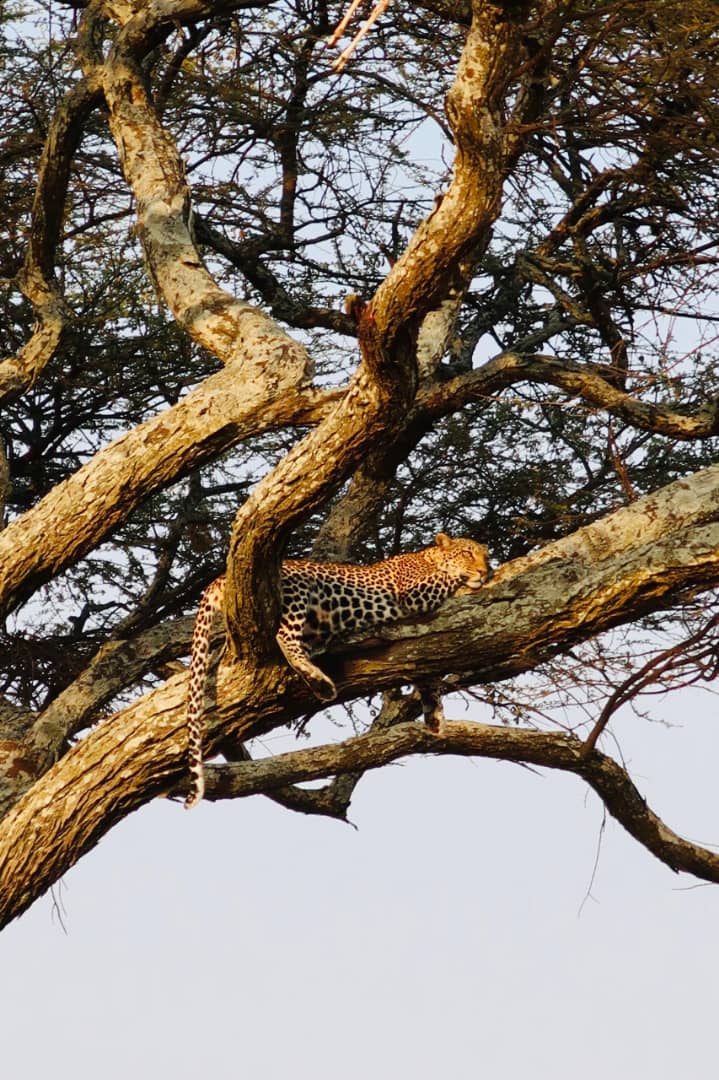
Leopards are solitary, nocturnal hunters. They rest on horizontal branches 5–10 meters above ground during daylight, perfectly camouflaged against tree bark. Each adult occupies 15–30 km² of territory. Your guide must know individual leopard territories by sight.
A single afternoon drive in Seronera has a 10% chance of spotting a leopard.
Two consecutive dawn drives (6:30–9:00 AM) raise the probability to 70%.
The Methodology That Works
Step 1: Arrive at the Seronera Valley gate by 6:00 AM for first light. Guides scan sausage trees (Kigelia africana), figs, and acacias for leopard shapes.
Step 2: Drive for fresh tracks crossing roads. Tracks indicate a leopard is within 500 meters.
Step 3: Look for a fresh impala carcass hoisted into a tree — this confirms a leopard’s territory is active.
Step 4: Use radio networks. When one guide spots a leopard, park radios alert all other guides in the valley within minutes.
Accommodation matters: Stay inside Serengeti near Seronera, not at Ngorongoro rim. A 45-minute commute costs you dawn light.
A Field Note on Leopards
After 200+ Serengeti seasons, I’ve noticed leopards are most active when prey animals (impala, hyrax, baboon) are concentrated near permanent water. In the wet season, when prey disperses, leopards become more mobile and harder to predict. Dry season (June–October) is leopard peak viewing — animals cluster around the Seronera River, and leopards follow.
One July morning near the Seronera River, we watched a female leopard descend from a sausage tree just after sunrise while nearby impalas alarm-called from the grass. These brief moments are why experienced guides leave camp before first light.
The January–March calving season follows the southern migration cycle around Ndutu and Kusini Plains. For a full monthly breakdown of herd movement, predator concentration, and river crossing timing, read our Serengeti Migration Month by Month: First-Timer’s Guide 2026.
Best Place to See Elephants in Tanzania
This is where most itinerary planning fails.
Serengeti has elephants — approximately 2,500–3,000 across the ecosystem. But they’re dispersed in small family groups of 10–50 animals across 14,750 square kilometers.
Serengeti elephant probability: 70% over 5 days.
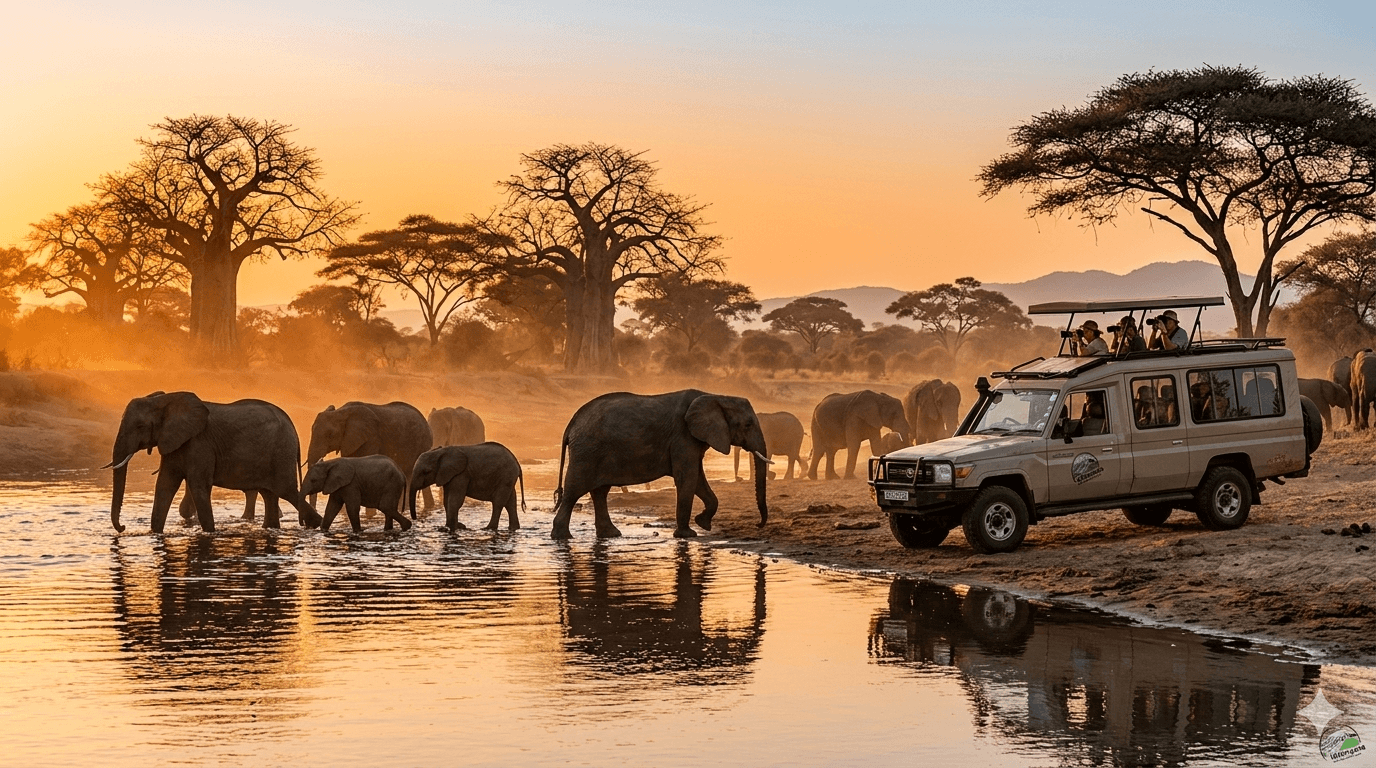
Tarangire National Park, 3 hours south, holds 3,000–4,000 elephants concentrated along the Tarangire River. During the dry season, mega-herds of 100–300 gather at the river water sources.
Tarangire elephant probability: 98% over a single day.
Adding Tarangire to your itinerary usually improves elephant viewing and gives better opportunities for close-range photography.
Tarangire is generally more reliable for elephant sightings than Serengeti because large herds gather around the Tarangire River during the dry season. Serengeti also has elephants, but they are spread across a much larger area.
A legitimate 5-day safari that includes Tarangire costs $1,800–$2,300 per person. One without Tarangire costs $1,600–$2,000. The $200–$300 difference is not pure profit — it’s the actual fee structure plus vehicle time.
Buffalo: The Big Five Certainty
Cape buffalo (Syncerus caffer) are the Big Five “gimme” — you will see them everywhere.
Large herds (50–500 animals) are present in Serengeti, Ngorongoro, Tarangire, and Lake Manyara year-round. During the dry season, herds concentrate near permanent water sources.
Ngorongoro Crater floor holds mega-herds of 500+ animals — the densest buffalo concentration in Northern Tanzania.
Buffalo Safety
From a closed safari vehicle, buffalo pose zero threat. They ignore vehicles at 30 meters. Never exit your vehicle near Buffalo. Old bulls that have left the herd can be dangerously aggressive when threatened — they earned the nickname “Black Death” from hunters, not tourists.
Sighting probability: 99% across all Northern Circuit parks.
Buffalo are essentially guaranteed, so focus your itinerary energy on the harder species — leopards and rhinos.
Where to See Black Rhinos in Tanzania
This is the animal that determines Big Five completion.
Black rhinos are critically endangered. Serengeti holds approximately 25–30 individuals in the Moru Kopjes area of western Serengeti. Ngorongoro Crater holds 20–25 on the crater floor.
That’s 45–55 animals spread across thousands of square kilometers.
Ngorongoro Crater: The Best Rhino Strategy
The crater floor is a contained ecosystem. Rangers monitor overnight rhino positions and guide drivers to recent sighting locations.
Single morning visit: 45% probability
Two consecutive mornings: 70% probability
Three mornings: 80% probability
Most budget itineraries allocate one Ngorongoro morning. This explains why 55% of travelers miss the black rhino.
Moru Kopjes (Serengeti): The Alternative
Serengeti’s western Moru Kopjes sanctuary holds 15–18 rhinos. However, reaching this zone requires an 8-day itinerary and a ranger escort. Most travelers lack the time and budget.
The Honest Truth
Any operator promising “guaranteed rhino sightings” is lying. These are wild animals spanning vast territories. No guide can guarantee a sighting. What they can do is position you in the right zone at the right time with current intelligence.
Best Time for a Big Five Safari
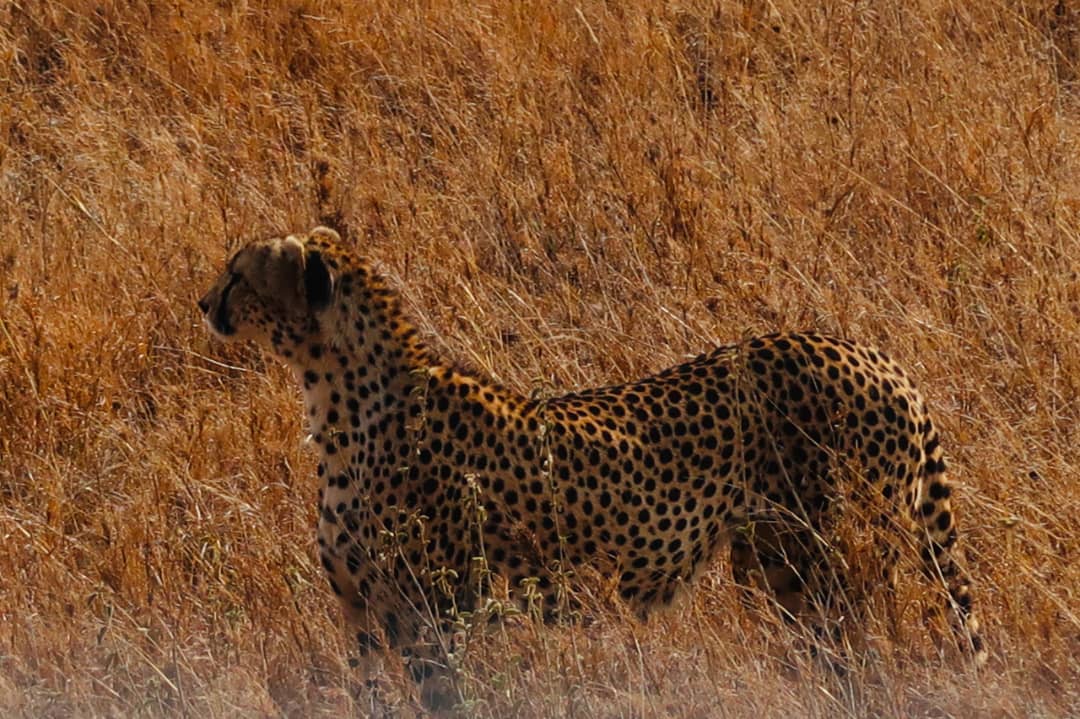
The dry season (June–October) offers the highest overall Big Five sighting probability because animals concentrate near permanent water sources.
Dry Season (June–October): Lions and leopards in Seronera Valley are most predictable. Elephants gather in large herds at rivers. Black rhinos descend to the Ngorongoro Crater floor water sources at dawn.
Wet Season (November–May): Prey disperses across plains. Lions spread out. Leopards become harder to find.
If your priority includes river crossings alongside Big Five sightings, review our guide to the Best Time To Visit Serengeti For The Great Migration before selecting travel dates.
Calving Season (January–February): Ndutu Plains explode with wildebeest births and intense predator action. Excellent for lion behavior, though black rhinos remain equally elusive.
For Big Five completion prioritization, July–September delivers optimal conditions across all five species: dry season water concentration + minimal tourist crowds + good road conditions.
Travelers planning budgets should also review our detailed breakdown of Serengeti Safari Cost 2026: Real Prices & Hidden Costs, including TANAPA park fees, Ngorongoro Crater charges, accommodation categories, and hidden operator markups that affect final safari pricing.
How Many Days Do You Need?
5-Day Itinerary (75% Big Five Completion)
Day 1: Tarangire National Park
Day 2: Serengeti Seronera Valley (first leopard drive)
Day 3: Serengeti Seronera Valley (second leopard drive)
Day 4: Ngorongoro Crater
Day 5: Return to Arusha or Moshi
This works. You’ll see lions, buffalo, elephants, and have a solid leopard opportunity. The single Ngorongoro morning gives you 45% black rhino probability.
Travelers comparing route sequencing, park combinations, and real operational pricing should also review our complete Serengeti Big Five Safari Cost & Itinerary 2026 breakdown.
7-Day Itinerary (85% Big Five Completion)
Day 1: Tarangire
Day 2: Lake Manyara (optional)
Day 3–4: Serengeti Seronera (two dawn drives)
Day 5: Serengeti northern/western zones
Day 6: First Ngorongoro morning
Day 7: Second Ngorongoro morning OR return
The extra days allow two Ngorongoro mornings (70% rhino probability) and more Seronera leopard search time.
Budget reality: A legitimate 5-day camping safari costs $1,800–$2,300 per person. Seven days run $2,300–$3,000. Quotes below $1,500 for 5 days typically exclude park fees (demanded at gates) or involve hidden surcharges. Many first-time travelers underestimate how much of a Tanzania safari budget goes toward fixed government charges. Review our guide to Tanzania Safari Fixed Costs 2026 | Non-Negotiable Fees before comparing operator quotes.
Realistic Sighting Probabilities
Here’s what actually happens on well-planned safaris:
5-Day Safari (Tarangire + Serengeti + Ngorongoro):
- Lions: 95%
- Buffalo: 98%
- Elephants: 98%
- Leopards: 70% (requires 2 Seronera mornings)
- Black rhinos: 45%
- Probability of seeing all five: 75%
Travelers with limited time often choose our 4-day Tanzania safari Serengeti Ngorongoro Crater itinerary, though leopard and rhino probabilities are lower due to reduced game drive time.
7-Day Safari (with two Ngorongoro mornings):
- Lions: 98%
- Buffalo: 99%
- Elephants: 99%
- Leopards: 75%
- Black rhinos: 70%
- Probability of seeing all five: 85%
The gap between 5-day and 7-day safaris is not a dramatic change in park quality — it’s time allocation. More days = more probability for leopards and rhinos.
Wildlife sightings always depend on timing, guide experience, weather, and animal movement. This wildlife route closely follows our operational 5-day Tanzania safari, Manyara Serengeti Ngorongoro itinerary, used for travelers prioritizing Big Five sightings within a shorter timeframe.
Common Mistakes That Stop Big Five Completion
1: Skipping Tarangire
Serengeti’s elephants are dispersed. Tarangire concentrates them. One day adds $82.60 in fees but raises elephant probability from 70% to 98%.
2: Only One Ngorongoro Morning
Black rhino probability jumps from 45% (single visit) to 70% (two mornings). Most budget itineraries skip the second morning to save the $295 per-vehicle crater descent fee. This is where most Big Five completions fail.
3: Late Serengeti Arrival
Leopards retire to trees by 9:00 AM. If your guide isn’t in Seronera by 6:00 AM, you’ve lost the prime window. Insist on accommodation inside the Serengeti.
4: Choosing a New Guide Over Experience
A guide who’s worked Seronera for 10+ years knows individual leopard territories by sight. A new guide doesn’t. Request senior guide assignments.
Travelers seeking a more premium wildlife experience often combine Big Five game drives with our 6 days Tanzania safari hot air balloon Serengeti itinerary for aerial migration viewing and extended Seronera game drive time.
Serengeti Big Five vs Other African Parks
How does Tanzania compare?
Tanzania wins for the first time, Big Five hunters, because:
- Serengeti has Earth’s highest lion density. You will see lions.
- Ngorongoro Crater contains all five species within a single enclosed ecosystem.
- Cost efficiency. Tanzania delivers higher sighting probabilities at a lower cost than South Africa’s private reserves.
- Fewer vehicles. Serengeti permits 5–6 vehicles per sighting. Kenya’s Masai Mara has no vehicle limit — you may see 20 vehicles around one lion kill.
Accommodation standards vary significantly between camping, mid-range lodges, and luxury safaris. Compare inclusions, vehicle types, and service levels in our guide to Tanzania Safari: Budget vs Mid-Range vs Luxury | 2026.
Speak With a Serengeti Safari Expert on WhatsApp
Chat directly with the Kilimania Adventure team for real safari prices and the best Serengeti itinerary for your dates and budget.
Planning Your Safari: Essential Details
Before You Book
- Request TATO registration verification at tatotz.org
- Ask for itemized park fees by park and by day
- Confirm vehicle type: Private or shared? Maximum passengers?
- Request guide experience: How many years in Seronera Valley specifically?
Visa & Entry
Tanzania e-visa: $50 for most nationalities | $100 for US citizens
Apply at immigration.go.tz at least 7 days before departure
Yellow fever: Required only if arriving from endemic countries. Direct flights from the USA, UK, EU, or Australia do not require proof.
Travelers deciding between East Africa’s two most famous safari ecosystems should also compare our full Serengeti Vs Masai Mara: Which Safari Is Better In 2026 analysis.
Getting There
Flights to Kilimanjaro International Airport (JRO):
- From New York/Los Angeles: $800–$1,400 return
- From London: £550–£900 return
- From Sydney: AU$1,400–AU$2,200 return
Malaria: Consult your doctor 6–8 weeks before departure. Antimalarial medication is recommended for all Northern Circuit parks (below 2,000m elevation).
Data Verification Notice: Park fees are set by government authorities (TANAPA and NCAA) and can change without advance notice. All figures above reflect May 2026 rates. Verify current fees at tanzaniaparks.go.tz before booking. Request a gate receipt during your safari to confirm your operator paid the correct published amount.
Conclusion: Building Your Big Five Itinerary
Can I see all the Big Five in one day?
Which Big Five animal is hardest to see?
Is leopard viewing guaranteed in Seronera?
Should I book 4, 5, or 7 days?
Can I do Big Five on a budget safari?
What’s included in the park fees?
How far ahead should I book?
Do I need travel insurance?
Most successful Big Five safaris in Tanzania are not based on luck alone. They depend on park sequencing, guide experience, seasonal wildlife concentration, accommodation positioning, and enough time in key zones like Seronera Valley and Ngorongoro Crater. Travelers who understand these logistics usually achieve significantly better wildlife sightings than those choosing itineraries based only on the lowest advertised price.
Start with our 7-day Tanzania safari Northern Circuit Big Five itinerary to see how parks are sequenced for optimal sighting probability.
We Walk With You.
Written by: Sabinus Msimba — Senior Safari Guide, Serengeti Specialist & Co-founder, Kilimania Adventure
Experience: 22 years guiding Northern Circuit safaris | 200+ Serengeti field days annually | 300+ Kilimanjaro summits | KINAPA-licensed guide
Last updated: May 2026
Review schedule: Updated quarterly following TANAPA tariff changes and seasonal wildlife movement data
“How we calculate probabilities: The percentages in this guide come from Kilimania Adventure’s internal sighting logs across 200+ annual field days in Serengeti, Ngorongoro, and Tarangire (2022–2025 data). These are observed frequencies from our own safaris — not guarantees. Your actual experience depends on season, guide experience, weather, and animal behavior. We publish them because travelers deserve real data, not marketing fluff.”
Speak With a Serengeti Safari Expert on WhatsApp
Chat directly with the Kilimania Adventure team for real safari prices and the best Serengeti itinerary for your dates and budget.