Most travelers comparing Serengeti vs Masai Mara assume the difference is wildlife. It’s not. The real difference is crowding, migration timing, trip length, and how the safari actually feels once you reach a lion sighting. In Serengeti, TANAPA limits most sightings to five vehicles. In the Masai Mara’s main reserve, the same lion can attract 20–30 vehicles during peak season. Both ecosystems are extraordinary — but they deliver very different safari experiences.
Choose Serengeti if: You have 5–7 days, want fewer vehicles at sightings (5‑vehicle limit, though northern river crossings can still see crowding), year‑round migration access, and can fly into Kilimanjaro International Airport (JRO). Lion sighting probability exceeds 95%, leopard probability reaches 70% with proper Seronera timing, and black rhino access is available through Ngorongoro Crater.
Choose Masai Mara if: You only have 3–4 days, fly through Nairobi, travel July–September for Mara River crossings, or book a private conservancy instead of the main reserve. Peak migration spectacle is exceptional, but the main reserve often sees 20–30 vehicles at major sightings.
The real difference is vehicle crowding (5 vs 30 vehicles on average –, but Serengeti’s northern Kogatende area can see 20+ vehicles at river crossings during peak), trip pacing (5–7 days vs 3–4 days), migration timing (year‑round vs 2–3 months), and overall wildlife viewing quality.
Travelers comparing safari routes, prices, and park combinations should also review our complete Tanzania Safaris overview and detailed Tanzania Safari Packages 2026: Expert Cost Guide before choosing between Tanzania and Kenya.
Key Stats
- 5 — Maximum vehicles allowed at Serengeti wildlife sightings (TANAPA enforced, though river crossings can be exceeded briefly)
- 20–30 — Vehicles commonly seen at the Masai Mara main reserve sightings
- 8–10 months — Migration presence inside the Serengeti yearly
- 2–3 months — Migration presence inside the Masai Mara yearly
- 3,000–4,000 — Estimated lions in the Serengeti ecosystem
- $82.60 — Serengeti daily park fee (2026 estimate – not yet published on TANAPA’s public site)
- $200 — Masai Mara peak‑season daily fee (July–December 2026)
- $153.40 — Serengeti average all‑in daily cost including concession fees
- 80% — Big Five completion probability in Serengeti + Ngorongoro itinerary
- <20% — Big Five completion probability in the Masai Mara alone
Introduction: One Ecosystem, Two Countries
Serengeti National Park and Masai Mara National Reserve are not separate ecosystems. They are one connected wildlife system divided by the Kenya–Tanzania border.
The word “Mara” means “spotted,” referring to scattered acacia trees across the plains. Serengeti comes from the Maa word siringet, meaning “endless plains.” Wildlife ignores borders completely. Wildebeest, zebras, lions, cheetahs, and elephants move naturally across the entire migration corridor.
The real question is not which ecosystem is better overall. The better question is: which side of the ecosystem fits your travel dates, budget, trip length, wildlife priorities, and tolerance for vehicle density?
After 22 years of guiding safaris in both Northern Tanzania and Kenya, the biggest differences are not in wildlife quality. They are crowding, timing, logistics, safari pacing, and conservation management.
Travelers unfamiliar with Serengeti geography should also read our Serengeti National Park Safari Guide | 2026 Cost & Package, which explains the differences between Seronera Valley, Kogatende, Ndutu, and western corridor safari zones.
Is Serengeti Better Than the Masai Mara?
Serengeti is generally better for longer safaris, lower vehicle congestion (with the caveat that northern river crossings can still be busy), year‑round migration access, Big Five completion, and wildlife photography. The Masai Mara is better for shorter 3–4 day safaris and peak‑season Mara River crossings between July and September.
The decision depends primarily on:
- available safari days
- migration timing
- wildlife priorities
- budget
- airport access
- photography expectations
The Biggest Difference: Vehicle Crowding
This is where Serengeti and Masai Mara differ most dramatically.
Serengeti: Strict Vehicle Regulations (Mostly)
TANAPA enforces a 5‑vehicle limit at most wildlife sightings inside Serengeti National Park. Rangers actively patrol Seronera Valley, Kogatende, and major migration zones.
If 5 vehicles are already present at a sighting, additional guides must wait or move on.
This matters because wildlife behavior changes dramatically under vehicle pressure.
In July 2025, TANAPA suspended six guides for violating crowd‑control regulations during a Mara River crossing. Enforcement inside Serengeti is real.
However, it’s important to be honest: during peak migration (August–September) at the Mara River crossings in northern Serengeti (Kogatende area), you can still see 20+ vehicles gathered at prime crossing points. The 5‑vehicle rule is harder to enforce during the 10–15 minutes of a river crossing. Away from those specific spots, the limit works well.
A 2024 TAWIRI congestion report estimated approximately 600 vehicles daily in northern Serengeti during migration season, spread across nearly 4,000 km². Congestion mainly occurs near river crossings. Away from crossings, game drives remain relatively quiet.
Masai Mara: No Vehicle Limit in Main Reserve
The Masai Mara National Reserve has no official vehicle cap at wildlife sightings.
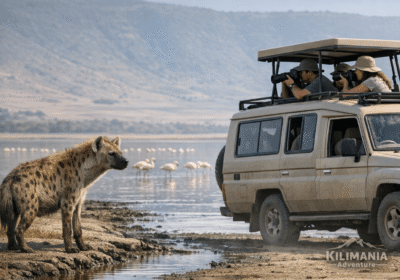
During August and September, lion kills and river crossings commonly attract 20–30 vehicles. Some sightings form multiple rows of safari vehicles around the same predators.
A 2024 Mara Predator Conservation Programme report found lions in high‑traffic areas spent significantly less time feeding due to vehicle disturbance.
The Conservancy Advantage
Private conservancies around the Masai Mara — including Mara North, Olare Motorogi, Naboisho, and Ol Kinyei — operate differently.
They enforce:
- 3–5 vehicle limits
- lower bed density
- night drives
- walking safaris
- stricter guest controls
The tradeoff is cost. Conservancy fees add approximately $80–$150 per night on top of reserve fees.
If choosing the Masai Mara, conservancies provide the best wildlife experience by far.
Migration: Where and When
One of the biggest safari misconceptions is that the Great Migration only happens in Kenya.
That is incorrect.
The migration spends approximately 8–10 months inside the Serengeti and only 2–3 months inside the Masai Mara.
Travelers planning migration timing should also read our complete Serengeti Migration Month by Month: First‑Timer’s Guide 2026 for detailed herd movement patterns across Ndutu, Seronera, the western corridor, and the northern Serengeti.
Travelers specifically planning river crossing safaris should also review our detailed guide to the Best Time To Visit Serengeti For The Great Migration before selecting travel dates.
Month‑by‑Month Migration Position
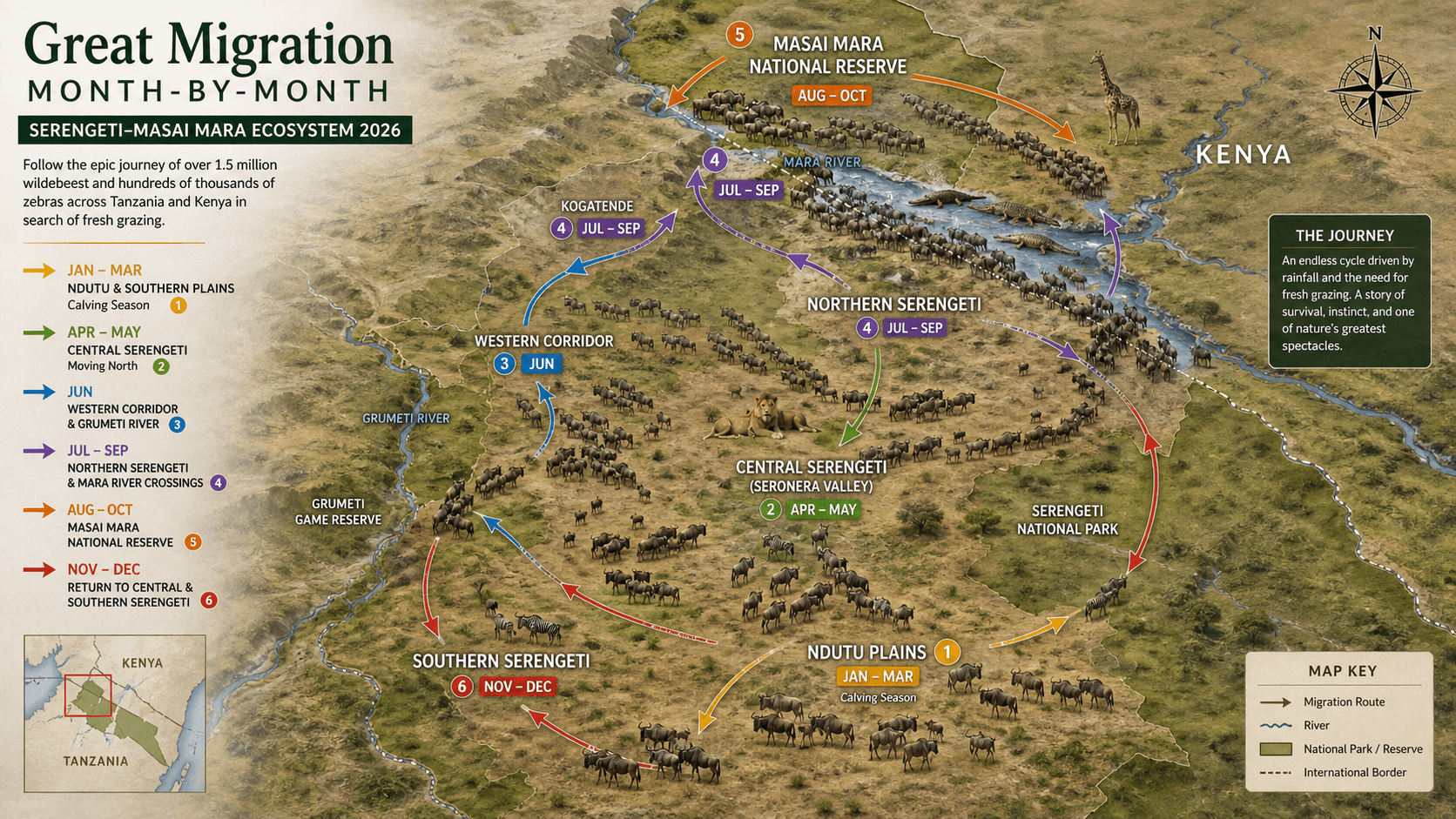
January–March
- Serengeti location: Ndutu and southern plains
- Masai Mara status: No migration
- Main event: Calving season with hundreds of thousands of wildebeest births
April–May
- Serengeti location: Central Serengeti
- Masai Mara status: No migration
- Main event: Herds moving northwest during long rains
June
- Serengeti location: Western corridor and Grumeti River
- Masai Mara status: No migration
- Main event: Grumeti River crossings and crocodile activity
July–September
- Serengeti location: Northern Serengeti and Kogatende
- Masai Mara status: Peak migration
- Main event: Mara River crossings and predator action (both sides)
October
- Serengeti location: Northern Serengeti
- Masai Mara status: Herds departing
- Main event: Southward migration begins
November–December
- Serengeti location: Central and eastern Serengeti
- Masai Mara status: No migration
- Main event: Wildebeest return toward the southern plains
Critical fact: Outside July–October, migration viewing exists almost entirely inside Serengeti National Park.
“Last August, near crossing point 7 in Kogatende, we counted 22 vehicles waiting at a single crossing point before sunrise. Two hours later in central Serengeti, we spent 40 minutes alone with a leopard near Retina Hippo Pool.”
Speak With a Serengeti Safari Expert on WhatsApp
Chat directly with the Kilimania Adventure team for real safari prices and the best Serengeti itinerary for your dates and budget.
Wildlife Comparison: What You’ll Actually See
Both ecosystems deliver exceptional wildlife densities. The real difference is viewing quality, park size, crowding, and species access.
Lions
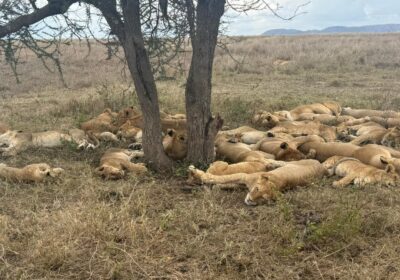
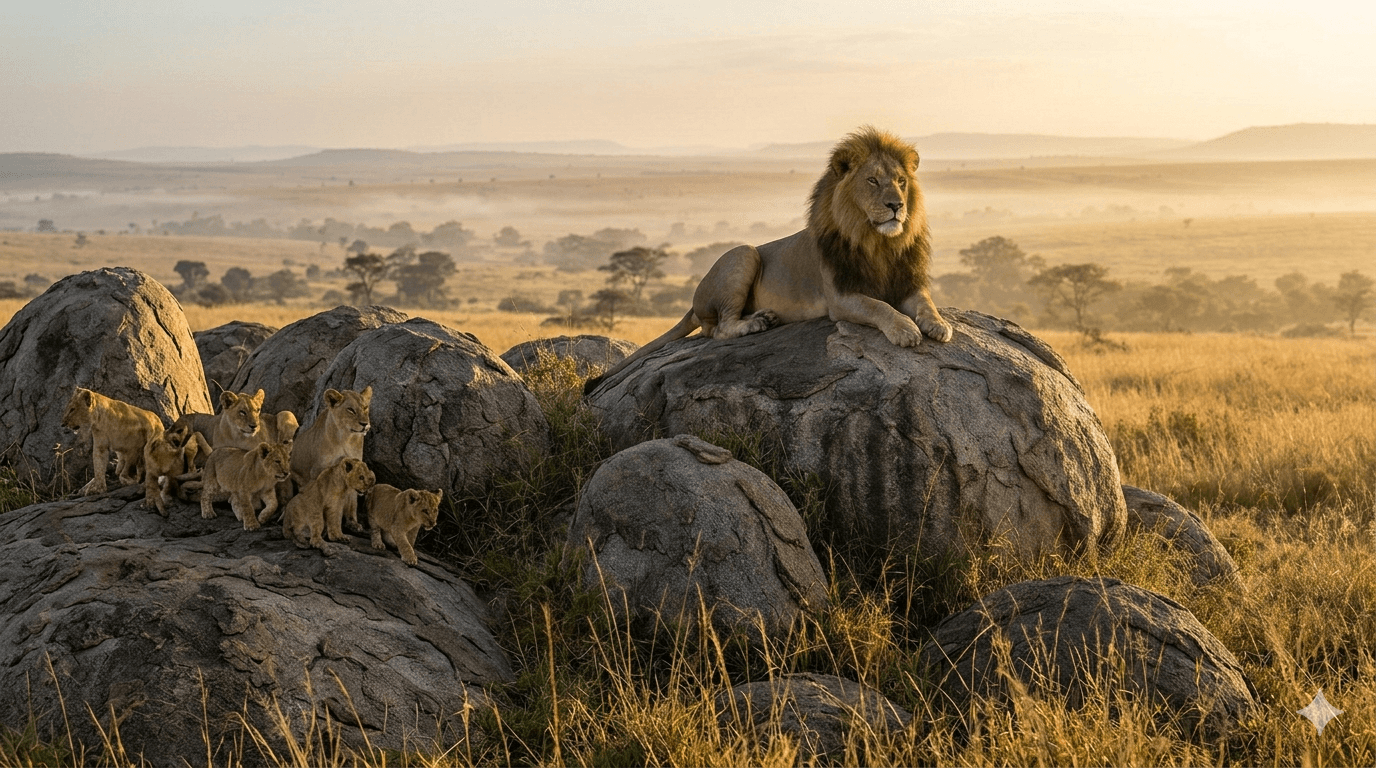
The Serengeti ecosystem holds approximately 3,000–4,000 lions, among the highest lion densities in Africa.
The Masai Mara holds an estimated 400–900 lions concentrated in a smaller area.
Serengeti advantage: cleaner sightings, fewer vehicles, more natural predator behavior, wider landscapes.
Masai Mara advantage: shorter driving distances, dense predator concentration.
Lion probability: Serengeti 95%+, Masai Mara 90%+.
Leopards
Seronera Valley remains one of Africa’s best leopard territories due to riverine forest, kopjes, acacia woodland, and permanent prey concentrations.
Experienced Serengeti guides routinely track known leopard territories during dawn drives.
The Masai Mara has healthy leopard populations, but sightings are generally less predictable than in the Seronera Valley.
Travelers focused specifically on lions, leopards, elephants, buffalo, and rhinos should also review our complete Serengeti Big Five Safari Guide 2026: See All 5 Animals.
Cheetahs
The Masai Mara performs exceptionally during peak migration because the open plains and concentrated wildebeest create excellent cheetah hunting opportunities.
Serengeti supports cheetahs year‑round, especially in the southern and eastern plains, but densities feel more spread out because of the ecosystem’s size.
Black Rhino: The Big Five Difference
This is one of the most overlooked differences between Tanzania and Kenya safaris.
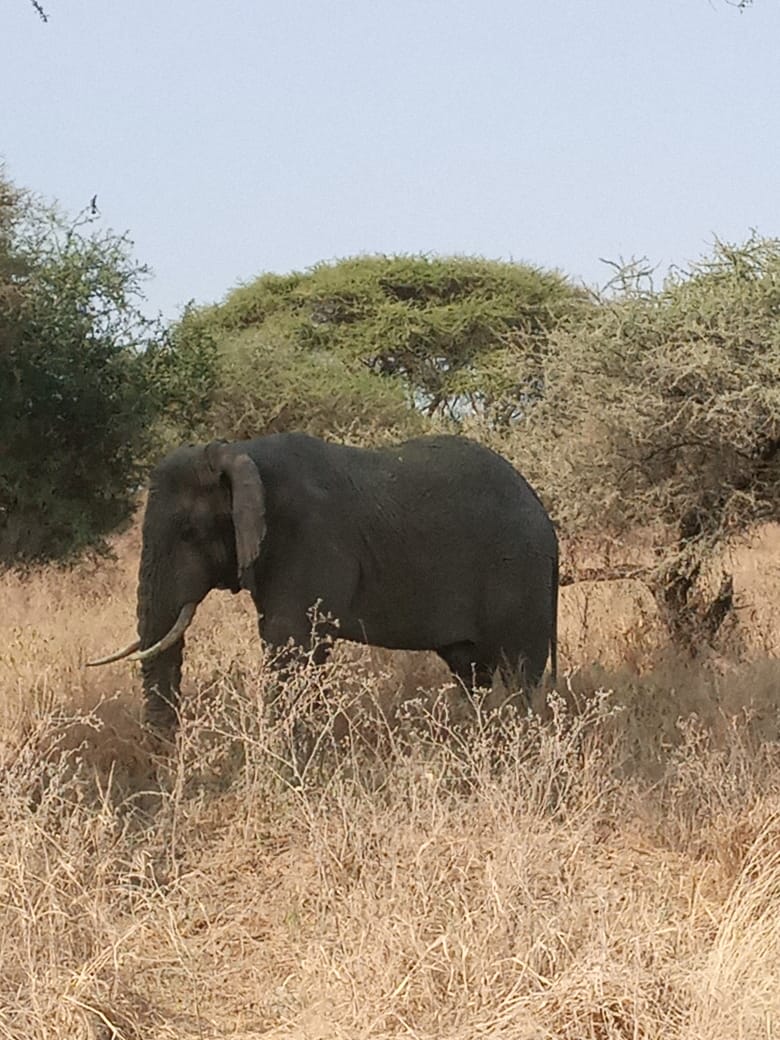
The Serengeti ecosystem gains a major advantage through the Ngorongoro Crater, which supports approximately 20–25 resident black rhinos.
The Masai Mara has very limited black rhino access. Travelers typically need to add Lake Nakuru or Ol Pejeta Conservancy to complete the Big Five.
Big Five completion probability:
- Serengeti + Ngorongoro: ~80%
- Masai Mara alone: <20%
Travelers planning full Big Five itineraries should also review our Serengeti Big Five Safari Cost & Itinerary 2026 guide.
Real Costs: Tanzania vs Kenya in 2026
The old assumption that Kenya is always cheaper no longer applies.
Narok County increased Masai Mara peak‑season fees significantly in 2024, changing the overall price balance.
For a full breakdown of Tanzania park fees, crater fees, concession charges, and hidden operator markups, review our detailed Serengeti Safari Cost 2026: Real Prices & Hidden Costs guide.
Serengeti vs Masai Mara at a Glance
Serengeti Costs
- Park fee: $82.60/day (estimate – verify with TANAPA)
- Concession fee: $70.80/night inside park
- Budget 7‑day safari: $1,800–$2,800
Masai Mara Costs
Low season (Jan–June):
- Park fee: $100/day
Peak season (July–Dec):
- Park fee: $200/day
- Conservancy supplements: $80–$150/night
Estimated 7‑day safari: $2,400–$3,500 during peak migration season
The reality: Peak‑season Masai Mara can now cost more than Serengeti.
Trip Length: How Many Days Do You Really Need?
Serengeti: 5–7 Days Minimum
The Serengeti ecosystem is enormous. Driving between Seronera Valley and the northern Serengeti can take 5–7 hours.
A rushed 3‑day Serengeti itinerary spends too much time driving.
Recommended: 5 days minimum, 7 days ideal.
Masai Mara: 3–4 Days Works Well
The Masai Mara is compact. Wildlife densities remain high near most camps.
A 3‑day Mara safari works effectively because of shorter driving distances, easier wildlife access, and concentrated game viewing.
Common Mistakes Travelers Make
Mistake 1: Believing migration only happens in Kenya – Migration spends most of the year in the Serengeti.
Mistake 2: Booking too few days for Serengeti – Serengeti requires time due to its ecosystem size.
Mistake 3: Choosing based only on price – Cheap quotes often hide excluded park fees, shared vehicles, inexperienced guides, or poor camp positioning.
Mistake 4: Ignoring conservancy value – Conservancies increase cost but dramatically improve wildlife experience in Kenya.
Mistake 5: Ignoring Big Five completion – Travelers prioritizing rhinos and completing Big Five viewing generally perform better in Tanzania.
Who Should Choose Serengeti?
- Travelers wanting fewer vehicles at sightings (understanding that northern river crossings can be busy)
- Wildlife photographers
- Travelers prioritizing Big Five completion
- Travelers visiting outside July–October
- Travelers wanting year‑round migration access
- Travelers seeking longer safari itineraries
Who Should Choose the Masai Mara?
- Travelers with only 3–4 days
- Travelers flying through Nairobi
- Visitors targeting Mara River crossings (July–September)
- Travelers wanting conservancy experiences
- Travelers interested in walking safaris and night drives
For Wildlife Photographers
Serengeti performs exceptionally for photographers because:
- 5‑vehicle limit (mostly) creates cleaner compositions
- Wildlife behavior remains more natural
- landscapes are more varied
- Golden-hour positioning is easier
The Masai Mara performs best inside conservancies where crowding is controlled.
Speak With a Serengeti Safari Expert on WhatsApp
Chat directly with the Kilimania Adventure team for real safari prices and the best Serengeti itinerary for your dates and budget.
Verify Any Safari Quote Before Booking
Before paying any operator:
- Verify registration: Tanzania (TATO) or Kenya (KATO)
- Request itemized park fees
- Confirm concession or conservancy charges
- Verify VAT inclusion
- Confirm vehicle type and occupancy
- Avoid paying 100% upfront
Red flag: Any 7‑day Serengeti safari under $1,400 usually excludes important operational costs.
Frequently Asked Questions
Which safari is better overall?
Is the Masai Mara now more expensive?
Can I see migration in the Masai Mara year‑round?
Minimum safari days?
Should I book a conservancy?
Which has better rhino viewing?
Final Recommendation
After 22 years guiding both ecosystems:
Choose Serengeti if:
- Wildlife quality matters more than speed
- You want fewer vehicles (with the honest caveat about northern river crossings)
- You prioritize Big Five completion
- You travel outside July–October
- photography matters
- You want year‑round migration access
Choose Masai Mara if:
- You only have 3–4 safari days
- You fly through Nairobi
- You specifically target Mara River crossings (July–Sept)
- You book private conservancies
- You want walking safaris or night drives
The biggest factor affecting safari quality is not Kenya versus Tanzania. It is about choosing a legitimate operator, realistic itinerary pacing, experienced guides, transparent pricing, and well-positioned accommodations.
Disclosure: This article is written by Kilimania Adventure, a TATO‑registered safari operator based in Moshi, Tanzania. We operate Tanzania safaris and have a direct commercial interest in bookings for the Serengeti. We sell Masai Mara safaris. This comparison is based on our guides’ 22 years of experience in both ecosystems, but we encourage travelers considering the Masai Mara to obtain quotes from at least two KATO‑registered Kenyan operators before making a decision. All park fees reflect May 2026 estimates; official fees may change without notice.
Written by: Sabinus Msimba — Senior Safari Guide & Co‑founder, Kilimania Adventure
Experience: 22 years guiding both Serengeti and Masai Mara | 200+ annual Serengeti field days | KINAPA‑licensed Kilimanjaro guide | TATO‑registered operator
Last updated: May 2026
Data sources: TANAPA fee schedules (note: Serengeti $82.60 is not yet published on their public site as of May 2026 – see verification notice), Narok County Government publications, Oxford University 2025 wildebeest study (PNAS Nexus, as reported by safari industry summaries), TAWIRI congestion reports, Mara Predator Conservation Programme.
⚠️ Data Verification Notice: Park fees are controlled by government authorities and may change without advance notice. All figures above reflect May 2026 estimates.
- Serengeti $82.60 fee: As of May 2026, this rate has not been officially published on TANAPA’s public website (tanzaniaparks.go.tz). We obtained it via operator briefings; please verify directly with TANAPA before booking.
- Masai Mara fees: Published by Narok County Government (2026 gazette).
We encourage all travelers to confirm current fees through the official Tanzania and Kenya wildlife authorities before making any payments.
Why Trust This Article
- Author: Sabinus Msimba, 22 years guiding both ecosystems, KINAPA-licensed
- Organization: TATO-registered operator, physical base in Moshi
- Field presence: 200+ annual days in Serengeti/Ngorongoro
- Data sources: TANAPA, Narok County, TAWIRI, Mara Predator Conservation Programme
- Transparency: We disclose our financial interest in Tanzania bookings
- Update schedule: Article reviewed annually; fees updated within 72 hours of TANAPA announcement
Kilimania Adventure — Moshi, Tanzania
We Walk With You.