Written by Kilimania Adventure Editorial Team
Reviewed by a Tanzania-licensed safari guide based in Moshi, Sabinus S. Msimba
Want to track elephants on foot instead of watching wildlife from a vehicle? A walking safari in Tanzania offers a slower, closer, and more immersive way to experience the bush. It also requires knowing exactly which parks allow public walks, what the real total cost looks like once fees are added, and how walking differs from a standard game drive.
If you are still comparing formats, you can start with the full range of Tanzania safaris offered by Kilimania Adventure before deciding whether a bush walk, classic game drive, or mixed itinerary suits you best.
Table of Contents
Key Facts: Walking Safari in Tanzania 2026
| Topic | Details |
|---|---|
| Parks that allow public walking safaris | Tarangire National Park, Ngorongoro Highlands, Arusha National Park |
| Parks that do not allow public walking safaris | Serengeti National Park for standard public visitors |
| Typical operator base rate | $180-$450 per person per day |
| Estimated full daily cost | Around $280-$520 per person per day, depending on park, accommodation, taxes, and group size |
| Armed ranger required | Yes |
| Typical walk duration | 2-4 hours |
| Best season | June to October |
| Main authorities | TANAPA and NCAA |
Last reviewed for fees and access rules: April 2026. Park rules and fees can change, so always confirm current rates before booking.
Quick Answer
A walking safari in Tanzania usually starts at around $180-$450 per person per day as an operator base price, but the true daily cost is often higher once park entry fees, walking permits, ranger fees, and VAT are added. The main places for public walking safaris are Tarangire National Park, Ngorongoro Highlands, and Arusha National Park. Public walking safaris are not generally permitted inside Serengeti National Park for standard visitors. For most travelers, the best months are June to October, when dry ground makes tracking easier and wildlife gathers near water.
Travelers who want to mix walking with traditional wildlife viewing often combine a bush walk with a broader Tanzania safari itinerary or a short northern circuit package.
Why Choose a Walking Safari in Tanzania?
Most safari visitors in Tanzania explore wildlife from a 4×4 vehicle. A walking safari changes the pace completely.
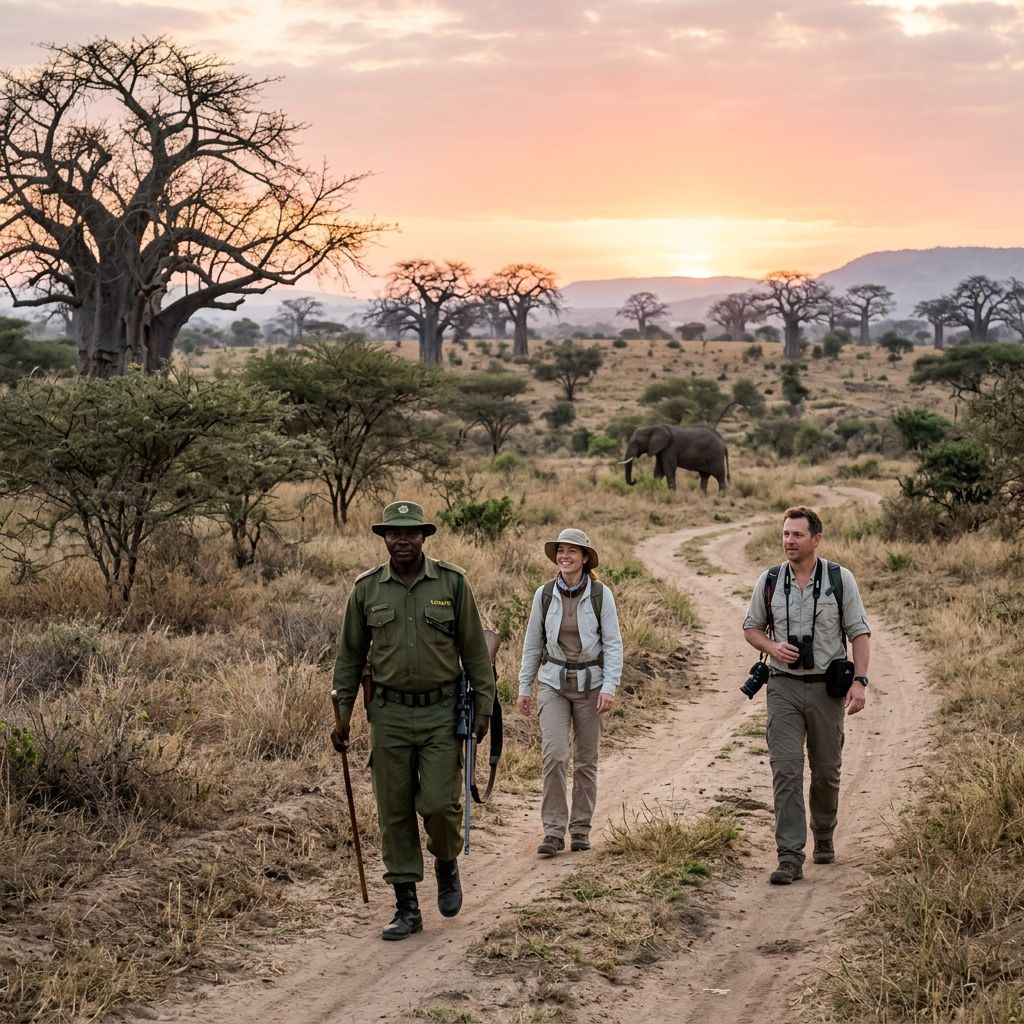
Instead of driving long distances, you move slowly through the landscape with a trained guide and armed ranger. The focus shifts from collecting sightings to understanding the bush itself. You notice things that a vehicle often misses:
- fresh elephant tracks in sand or dust
- alarm calls from birds and monkeys
- scent marks and feeding signs
- insects, plants, bark damage, and browsing patterns
- wind direction and how it shapes animal movement
Unlike a game drive, a walking safari is not about rushing toward radio-reported sightings. It is about reading the environment at ground level.
For many travelers, the best option is to combine both styles. A walk gives depth and awareness, while a vehicle safari gives range and wider wildlife coverage. If your main goal is predator sightings, read this guide on the best time to see big cats in Tanzania before choosing your travel dates.
Which parks allow walking safaris in Tanzania?
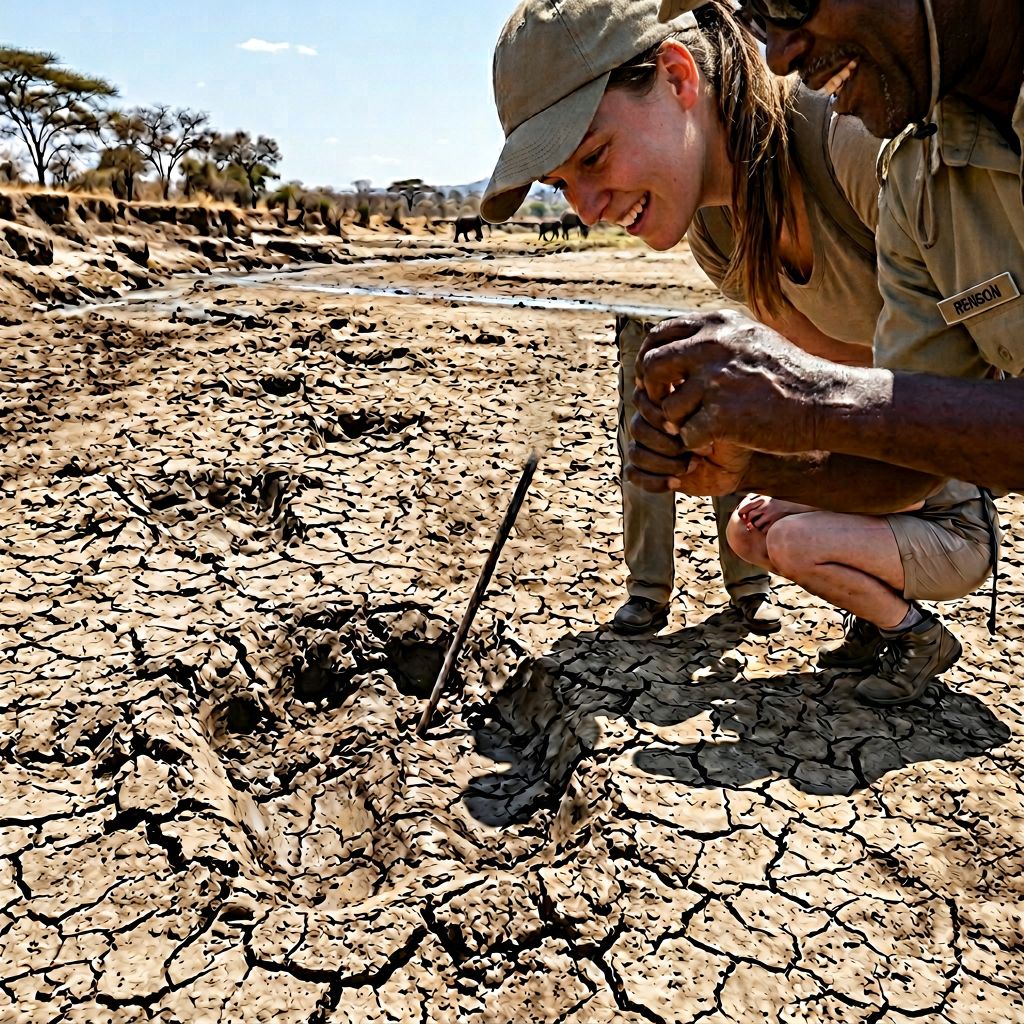
Not every park allows public walking safaris, and this is where many travelers get confused.
Walking Safari Regulations by Park
| Park | Public walking safaris | Night drives | Armed ranger required | Notes |
|---|---|---|---|---|
| Tarangire National Park | Yes, in designated zones | Yes, in approved areas | Yes | Strong mix of walking and classic safari activities |
| Ngorongoro Highlands | Yes, in approved highland routes | No | Yes | More scenic and hiking-style than wildlife-dense |
| Arusha National Park | Yes, on designated routes | No | Yes | Good for short trips and first-time walkers |
| Serengeti National Park | No for standard public visitors | No | N/A | The standard safari format is vehicle-based |
| Lake Manyara National Park | Limited only | No | Yes | Access depends on current park operations |
Important note: Rules may change by zone, season, and authority guidance. Confirm details with your operator and the official park authorities before travel.
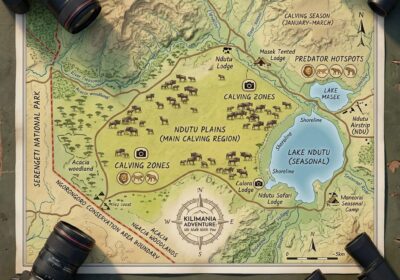
If you are comparing classic Serengeti-style game viewing with walking-focused routes, this comparison of Ndutu vs. Serengeti safari can help clarify which experience fits your wildlife priorities.
Tarangire National Park: The Strongest Choice for Walking Safaris
Tarangire is one of the most complete walking safari destinations in northern Tanzania. It combines designated walking areas, strong elephant viewing, baobab landscapes, and the possibility of adding a night drive in approved zones.
Why Tarangire works so well
- strong elephant concentrations in the dry season
- good tracking conditions in dusty riverine and woodland terrain
- quieter feel than some busier safari circuits
- chance to pair a walk with a night drive
- easy fit within a short 3-day or 4-day northern circuit itinerary
For travelers who want a ready-made option, Kilimania Adventure’s 3-day Tarangire walking and night safari is the most direct match for this experience.
Local guide insight
According to Sabinus S. Msimba, a Tanzania-licensed safari guide based in Moshi, early morning Tarangire walks are most rewarding when rangers read track freshness, wind direction, and herd movement before choosing a route. That is one reason no two walks feel the same.
Travelers who want to combine Tarangire with stronger predator-focused game drives can also compare this walking safari style with a more classic 4-day big cats safari in Tanzania.
Ngorongoro Highlands: Best for Scenery and Cultural Context
The Ngorongoro Highlands offer a different kind of walking safari. This is less about dense wildlife viewing and more about landscape, volcanic terrain, altitude, and cultural context.
Walking routes around highland areas such as Olmoti and Empakaai can include:
- crater rim views
- cooler temperatures
- Maasai pastoral landscapes
- open scenery with fewer vehicles
- longer, hiking-style walking sections
This option suits travelers who enjoy scenery and highland terrain more than classic big-game density. It also pairs well with a standard Ngorongoro Crater day if you want both a walking and vehicle-based experience.
Arusha National Park: Best for Short Trips and Beginners
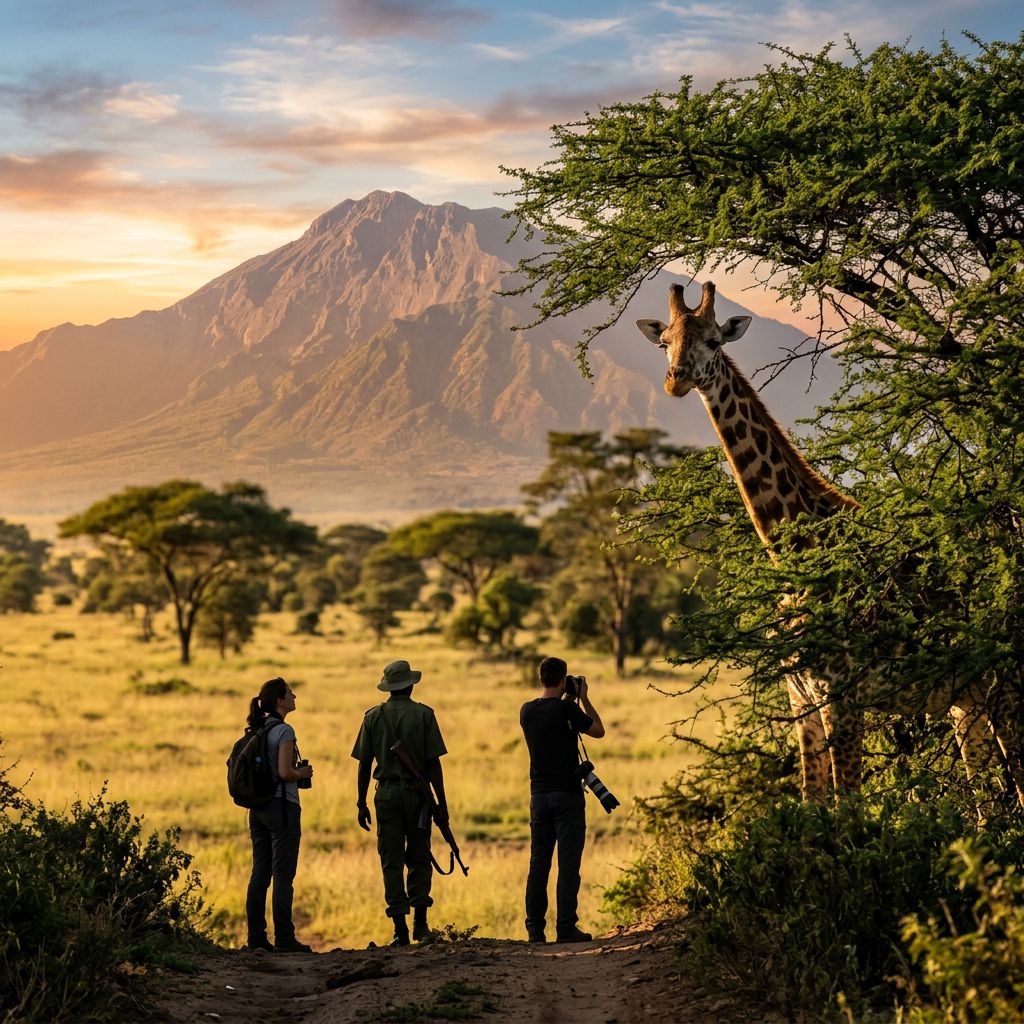
Arusha National Park is often the easiest place to try a walking safari in Tanzania for the first time. It is close to Arusha town, making it practical for a half-day or full-day outing before or after a longer itinerary.
Why Arusha is a good starting point
- close to town and easy to access
- manageable walking terrain for most travelers
- chance to see giraffes, buffalo, colobus monkeys, and birds
- ideal as an add-on before Kilimanjaro or a longer safari
If you are building a broader trip, you can compare walking add-ons with the full Tanzania safaris collection to see how Arusha fits with Tarangire, Serengeti, Ngorongoro, or Ndutu.
How Much Does a Walking Safari in Tanzania Cost?
One of the biggest planning mistakes is assuming the quoted safari rate is the final price. Often, it is not.
A walking safari often has a base operator price, then additional regulated costs such as park entry, walking permits, ranger fees, and tax.
Typical 2026 Cost Breakdown: How Much is a Tanzania Safari? Best Cost Guide & Hidden Extras
| Cost item | Typical cost | Notes |
|---|---|---|
| Operator base rate | $180-$450 per person per day | Varies by group size, lodge level, and itinerary |
| Tarangire park entry | About $53.10 per adult per 24 hours | Confirm current TANAPA rates |
| Ngorongoro area entry | About $70.80 per adult per 24 hours | Confirm current NCAA rates |
| Walking permit | About $23.60 per person per day | Often separate |
| Armed ranger fee | About $23.60 per person per day | Usually mandatory |
| Night drive fee | Varies by zone and operator structure | Ask for an itemized breakdown |
| VAT | Often 18% on applicable services | Ask what is taxable in your quote |
What most travelers should budget
In practical terms, many travelers should expect a total daily cost closer to $280-$520 per person, depending on accommodation, park, and whether the itinerary is private or shared.
Always ask for an itemized quote
Request these items clearly:
- park entry fees
- walking permit fees
- ranger fees
- VAT
- night drive fees if included
- accommodation level
- transfer costs
If you also want to compare walking-focused trips with predator-focused itineraries, see Kilimania’s 4-day Tanzania big cats and balloon safari for a very different style of northern circuit safari.
What a Walking Safari Day Feels Like
A walking safari is about awareness, not speed.
A typical morning often starts before sunrise. After tea or coffee, the ranger gives a safety briefing, and the group enters an approved walking zone. Over the next two to four hours, the pace stays slow. There may be frequent stops to examine tracks, dung, broken branches, bird calls, or signs of recent animal movement.
On foot, even common things become more interesting. An elephant track is no longer just a mark in the ground. It becomes evidence of timing, direction, size, and behavior.
This is one reason walking safaris appeal so strongly to repeat safari travelers. They shift the focus from simply seeing animals to understanding how the ecosystem works.
For visitors who still want stronger chances of lion, cheetah, or leopard sightings during the same trip, combining a walk with one of Kilimania Tanzania Safari’s predator-focused Tanzania safaris can create a better balance.
Best Time for a Walking Safari in Tanzania
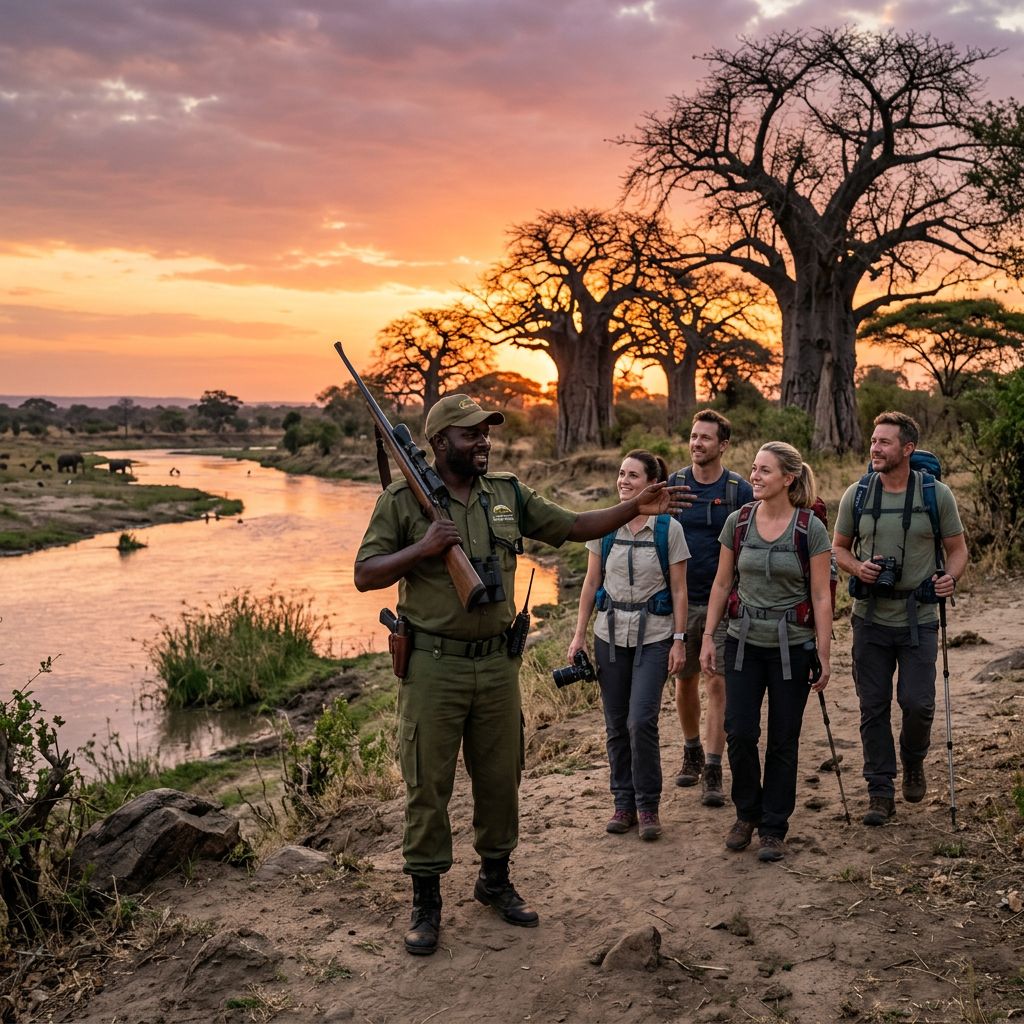
June to October: Best overall season
The dry season from June to October is usually the most reliable period for a walking safari in Tanzania.
Why it works well:
- easier track reading in dry dust and sand
- Wildlife gathers closer to water
- less slippery terrain
- better visibility through shorter grass and lighter vegetation
- more comfortable walking conditions in the morning
January to March: Good secondary option
This period can still work well, especially in Ngorongoro Highlands and Arusha National Park, where greener conditions and cooler air remain enjoyable for walking.
April to May: Rainy season caution
During the long rains, some trails become slippery or less practical. Some operators reduce walking departures, especially where access conditions worsen.
If your trip priorities lean more toward predators than walking conditions, review the best time to see big cats in Tanzania before locking in your dates.
What to Pack for a Walking Safari in Tanzania
Clothing
- broken-in hiking boots with ankle support
- neutral long trousers
- lightweight long-sleeve shirt in khaki, olive, or tan
- wide-brim hat
- light fleece or jacket for early starts in cooler areas
Equipment
- binoculars
- refillable water bottle
- small daypack
- A camera with a zoom lens
- Buff or scarf for dust
Health and safety essentials
- sunscreen
- insect repellent
- personal medication
- travel insurance with evacuation cover
Avoid bringing
- bright clothing
- strong perfume
- noisy jewelry
- oversized bags
- new boots
Common Walking Safari Mistakes to Avoid
1. Assuming Serengeti allows public walking safaris
It generally does not work for standard public visitors. Always check whether a “walking safari” near Serengeti is actually inside the national park or in a private area outside it.
Lion Sightings Serengeti vs Ngorongoro: 2026 Verdict & Density Guide https://kilimania.co.tz/lion-sightings-serengeti-vs-ngorongoro/
2. Underestimating the total cost
Many travelers see a base safari price and do not realize fees may be listed separately.
3. Wearing new boots
This is one of the easiest ways to ruin an otherwise excellent walking experience.
4. Choosing the wrong park for your goals
If you want scenery and altitude, the Ngorongoro Highlands may fit better. If you want a brief introduction, Arusha may be enough. If you want walking plus wildlife density, Tarangire is usually the better match.
5. Ignoring group size
Smaller groups are often quieter and more flexible.
If your priority is not walking but dramatic predator viewing, compare with a dedicated 4-day big cats safari in Tanzania or a big cats and balloon safari.
Sample 3-Day Tarangire Walking Safari Itinerary
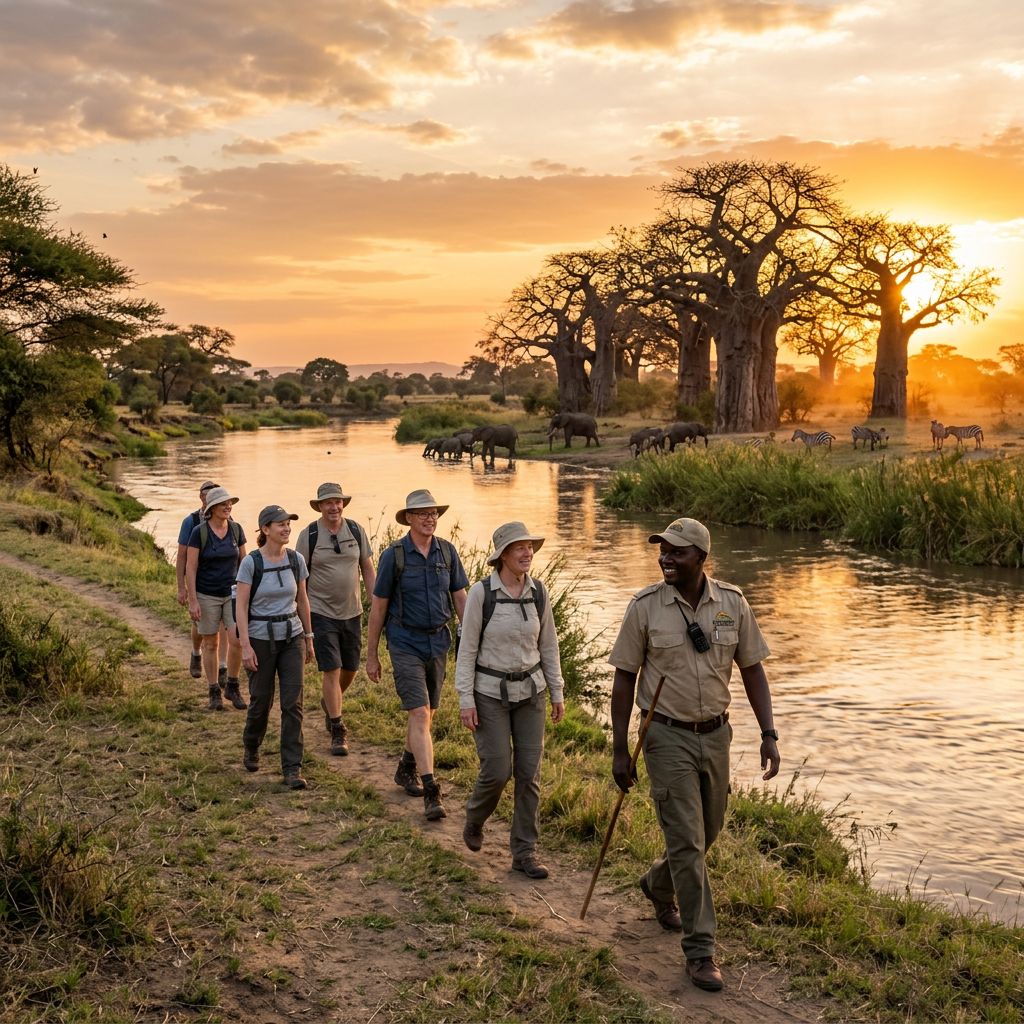
This sample works well for travelers starting from Arusha or Moshi.
Day 1: Transfer and afternoon game drive
Depart after breakfast and drive to Tarangire. After lunch and rest, enjoy an afternoon game drive through baobab country and riverine areas.
Day 2: Morning walk and optional night activity
Start early with a guided walking safari in an approved zone. Return to camp for brunch and rest. Later, head out for a game drive and, where permitted, a night drive.
Day 3: Early wildlife viewing and return
Take an early morning game drive, then return to Arusha or Moshi after breakfast.
For a full version with pricing and route details, see the 3-day Tarangire walking and night safari itinerary.
Is a walking safari in Tanzania Safe?
Yes, walking safaris in Tanzania are generally safe when conducted in approved areas with trained guides and armed rangers.
They are not free-roaming hikes. They are controlled wildlife activities that depend on:
- staying close to the ranger
- Following instructions immediately
- moving quietly as a group
- respecting route limits
- wearing suitable clothing and footwear
Close wildlife encounters can happen, which is precisely why the ranger system exists. The goal is not to approach animals recklessly. It is to read the environment carefully and manage distance safely.
Ndutu Calving Season 2026: Insider Migration Calendar & Booking Guide
FAQ
Can tourists do walking safaris in Tanzania?
Yes. Public walking safaris are commonly available in Tarangire National Park, Arusha National Park, and parts of the Ngorongoro Highlands, always under approved conditions and with ranger support.
Can you do a walking safari in Serengeti National Park?
Not as a standard public activity inside the main national park. Some walking experiences may be offered in adjacent private-use areas, but they are not the same as public national park walking safaris.
How much does a walking safari in Tanzania cost in total?
A realistic total often falls around $280-$520 per person per day once park fees, permits, ranger fees, and tax are included, though the base operator rate may start lower.
Which park is the strongest choice for a walking safari in Tanzania?
For many travelers, Tarangire National Park is the strongest overall option because it combines wildlife, walking access, and the possibility of pairing the experience with a night drive.
Is a walking safari suitable for beginners?
Yes. Arusha National Park and shorter Tarangire walks can work well for first-time safari travelers with standard fitness levels.
What should I wear on a walking safari?
Wear neutral, lightweight clothing, broken-in hiking boots, and sun protection. Avoid bright colors and new shoes.
Conclusion
A walking safari in Tanzania offers something a vehicle cannot: closeness, awareness, and a better understanding of how wildlife moves through the landscape. Tarangire is usually the strongest all-round choice for public walking safaris, Ngorongoro Highlands suits travelers who want scenery and altitude, and Arusha National Park is the easiest short option.
If you want a trip that combines walking, game drives, or predator-focused safaris, Kilimania Adventure can help you match the right route to your dates and budget.
Start here:
- Explore all Tanzania safaris
- View the 3-day Tarangire walking and night safari
- Compare with a 4-day big cats safari in Tanzania
- See the 4-day Tanzania big cats and balloon safari
- Learn more from the main Kilimanjaro Adventure website
We Walk With You.
Plan Your Walking Safari with Local Experts
Speak directly with a Kilimania guide in Moshi to plan your walking safari based on real park rules, costs, and wildlife movement. Explore Tanzania safaris: https://kilimania.co.tz, Request a custom itinerary today
You can:
- Browse all Tanzania safari packages
- Request details for the Tarangire walking and night safari
- Compare predator routes like the 4-day big cats safari
- explore balloon and predator travel with the 4-day Tanzania big cats and balloon safari
- Return to the main Kilimania Adventure homepage
If you are still deciding between seasonal wildlife regions, this Ndutu vs. Serengeti safari guide is also worth reading before you book.