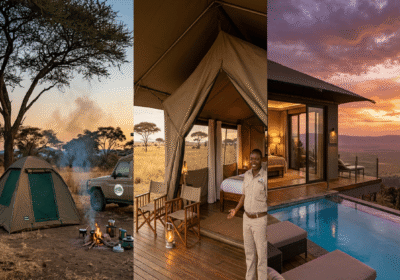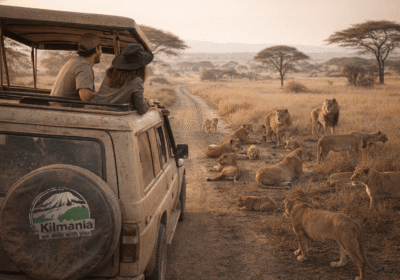
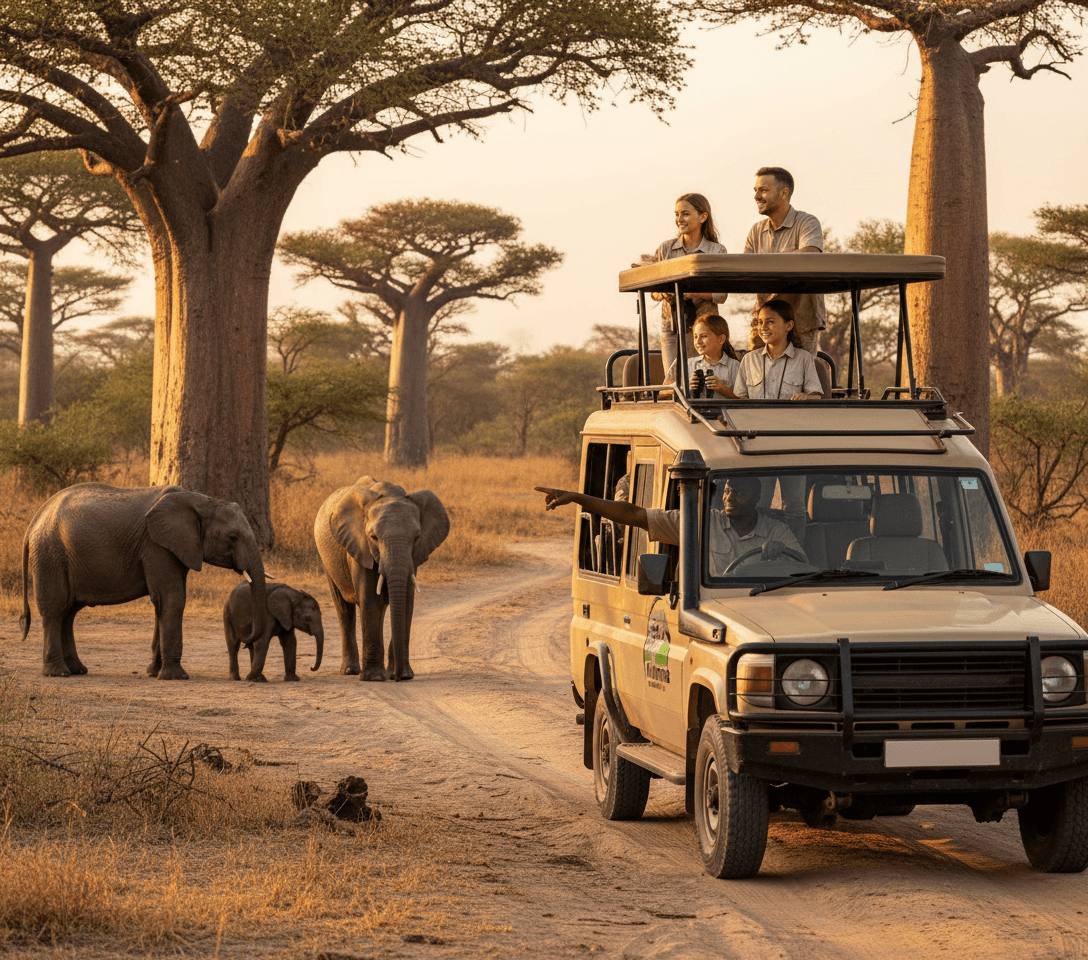
A Tanzania safari with kids is safe when planned around three factors: age suitability, park selection, and private vehicle use. The biggest risks are not wildlife, but poor scheduling, long drives for young children, and misunderstanding activity age restrictions.
For 2026, the key rules are clear:
- No legal minimum age exists for standard game drives (TANAPA)
- Minimum age for the hot air balloon safari is 7 years
- Minimum age for walking safaris is 16 years (TAWA)
- Most lodges set 5–12 year minimums, depending on the property
Families with children under 10 should prioritize a private safari vehicle to control drive duration, bathroom stops, and early returns to the lodge.
Best parks for children are Tarangire (short drive to wildlife time), Ngorongoro (high density in a compact area), and Lake Manyara (short circuit). Serengeti works best for children aged 6–8 due to longer travel times.
Malaria is present across all Northern Circuit parks, so pediatric prevention should be confirmed with a travel clinic before travel.
This guide explains exactly what age is suitable, which parks work best, how long kids can realistically handle game drives, and when a Tanzania safari becomes too demanding for young children.
Key Facts
- No legal minimum age exists under TANAPA for vehicle-based game drives
- 7 years — minimum age for Serengeti hot air balloon safari (TANAPA regulation, no exceptions)
- 16 years — minimum age for walking safaris under TAWA regulations
- 5 years — typical lodge minimum for standard game drives (property-specific, always confirm)
- 3–4 hours — recommended maximum game drive duration for children under 8
- Tarangire National Park delivers reliable elephant sightings within 30 minutes of park entry — the highest-probability first-safari experience for young children
- Ngorongoro Crater rim temperatures drop to 8–10°C year-round — children require warm layers regardless of season or departure month
- Private vehicle — required for families with children under 10; shared group vehicles cannot flex around nap schedules, bathroom breaks, or early returns
- Malaria is present across Tanzania’s Northern Circuit — pediatric prophylaxis must be confirmed with a travel medicine specialist before departure
- Emergency evacuation insurance covering AMREF Flying Doctors is strongly recommended for all families
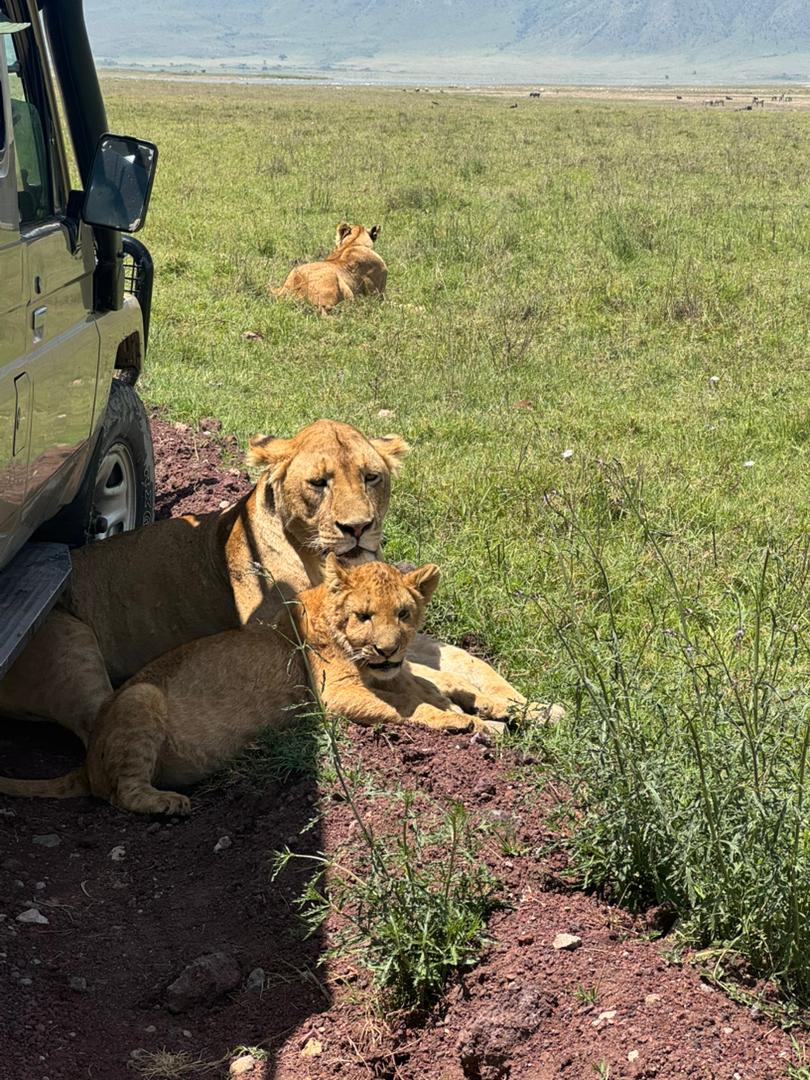
Table of Contents
A Tanzania safari with kids is safe and well-structured when you apply three fixed rules: confirm age eligibility for each planned activity, select parks based on your youngest child’s age and attention span, and use a private vehicle for children under 10.
Vehicle-based game drives carry no TANAPA minimum age. Balloon safaris require a minimum age of 7 years. Walking safaris require a minimum age of 16 years under TAWA regulations. Most lodges set their own minimum at 5 years for standard game drives.
Key planning resources from our Moshi office:
- 7 days Tanzania safari Northern Circuit Big Five — recommended family circuit
- 6 days Tanzania safari Tarangire Serengeti Ngorongoro — optimal family park sequence
✔ Safe for kids? YES, with planning
✔ Best age? 5–12 years ideal
✔ Private vehicle needed? YES under 10
✔ Best park first? Tarangire
✔ Hardest park for kids? Serengeti long drives
✔ Biggest risk? long drive fatigue + malaria
Tanzania Safari Age Limits by Activity
| Activity | Minimum Age | Authority | Notes |
|---|---|---|---|
| Vehicle-based game drive | No legal minimum | TANAPA | Lodge policies typically start at 5 years |
| Private safari vehicle | No legal minimum | Lodge-dependent | Some properties accept all ages |
| Shared group safari | Typically 5–8 years | Lodge/operator policy | Private vehicle recommended under age 10 |
| Hot air balloon safari | 7 years | TANAPA regulation | No exceptions. Age verified at check-in |
| Walking safari | 16 years | TAWA regulation | Applies across all national parks |
| Night game drive | Typically 6–8 years | Lodge/operator policy | Confirm before booking |
| Cultural village visits | No restriction | None | Parental discretion applies |
Critical rule: Balloon safari and walking safari age limits are government regulations. No operator can waive them. Any operator claiming otherwise is operating outside TANAPA and TAWA compliance.
Age Rules — What Parents Get Wrong Before Booking
Most families arrive believing lodges follow a single universal age policy. They do not. Lodge minimum ages range from “all ages welcome” to 12 years old, and this is independent of TANAPA regulations. Confirm lodge policy in writing before paying any deposit.
Three age-eligibility rules apply simultaneously to any Tanzania safari booking:
Rule 1 — TANAPA activity regulations (fixed, non-negotiable)
- Balloon safari: 7 years minimum
- Walking safari: 16 years minimum (TAWA)
- Vehicle game drives: no minimum
Rule 2 — Lodge or camp age policy (property-specific)
- Budget and mid-range camps: typically 5–7 years minimum
- Luxury tented camps: often 8–12 years minimum
- Family-specific lodges: sometimes no minimum
Rule 3 — Operator vehicle policy
- Shared group vehicles: typically 5–8 years minimum
- Private vehicle: determined by lodge policy, often more flexible
A child aged 6 may legally board a game drive vehicle under TANAPA rules but be turned away by a luxury camp with a 7-year minimum. Verify all three rules separately before confirming any itinerary.
| Park | Minimum Age | Why | Avoid If |
|---|---|---|---|
| Tarangire | 3+ | Short drives, elephants visible from road | Child has dust allergies |
| Serengeti | 6+ | Long transfers, open plains | Under 5 (safety in open vehicle) |
| Ngorongoro | 4+ | Enclosed crater, predator density | Motion sickness (steep roads) |
Why the Balloon Safari Age Rule Cannot Be Waived
The Serengeti hot air balloon safari minimum age of 7 years is a TANAPA regulation — not an operator preference. Every operator at every balloon launch site in Serengeti National Park verifies age at check-in.
Children must hold the basket sides independently and maintain the landing position during touchdown. Operators do not issue refunds if a child fails the age check at the launch site.
Alternative for families with children aged 5–6: A sunrise game drive beginning at 06:00 from the Seronera Valley area of Central Serengeti delivers comparable wildlife sightings. Predator activity at dawn frequently matches or exceeds balloon-period sightings because ground vehicles can follow animals more precisely.
See our 4 days Tanzania safari big cats and balloon safari itinerary for families where older siblings qualify for the balloon while younger children join the ground drive.
Game Drive Duration by Age
Drive duration, not park selection, is the variable most parents underestimate. A three-hour morning drive with one reliable sighting outperforms a six-hour full-day drive with an exhausted child every time.
| Age Range | Recommended Maximum Drive | Optimal Structure |
|---|---|---|
| 3–4 years | 2–3 hours morning only | Single morning drive, lodge rest by 10:00 |
| 5–7 years | 3–4 hours morning | Morning drive, pool rest, optional 1-hour sunset |
| 8–11 years | 4–5 hours with breakfast stop | Morning + mid-morning break + return before midday heat |
| 12–16 years | Standard full-day drives | Full Northern Circuit schedule manageable |
The most effective family structure in the field from our Moshi-based operations:
- Depart lodge at 06:30
- Game drive 06:30–10:00
- Return for breakfast at the lodge
- Pool and rest 11:00–16:00
- Optional 30–60-minute sunset drive if children remain engaged
Best Parks for Families — Park Selection by Youngest Child
Tarangire National Park is the strongest opening park for families because high-density elephant herds are visible within 30 minutes of the gate, drives remain short, and the landscape is compact. Serengeti works best when children are 8 or older and can sustain longer travel times.
Park selection by the youngest child’s age:
Tarangire National Park — ages 5 and above
- Elephant herds visible within 30–40 minutes of the Tarangire gate
- Drive distances from the gate to prime wildlife areas: 10–20 km
- Lion, leopard, and large bird species are reliable year-round
- Recommended first park for any family with children under 10
- Families with younger children usually perform best on shorter Northern Circuit routes like our 4-day Tanzania safari Tarangire Serengeti Ngorongoro, where wildlife viewing begins soon after park entry.
Lake Manyara National Park — ages 5 and above
- Tree-climbing lions (Panthera leo) in fig forest canopy — sightings require patience but are high-impact for children
- Flamingo (Phoenicopterus roseus) concentrations along the lake shore create strong visual engagement for younger children
- Park circuit is short; full loop achievable in 2–3 hours
- Excellent opening or closing park for families
- See our 3-day Tanzania safari Lake Manyara Ngorongoro for the compressed family itinerary
Ngorongoro Crater — ages 7 and above
- Managed by the Ngorongoro Conservation Area Authority (NCAA) under ncaa.go.tz
- 260 km² enclosed crater floor with one of Africa’s highest predator densities
- Crater descent fee: $295 per vehicle per day — confirm this is included in your quote in writing
- Rim temperatures: 8–10°C at night year-round — pack thermal layers for all children
- Drive from rim to crater floor: approximately 20 minutes each way
- Children aged 7–16 respond strongly to the concentrated wildlife viewing format
Central Serengeti (Seronera Valley) — ages 8 and above
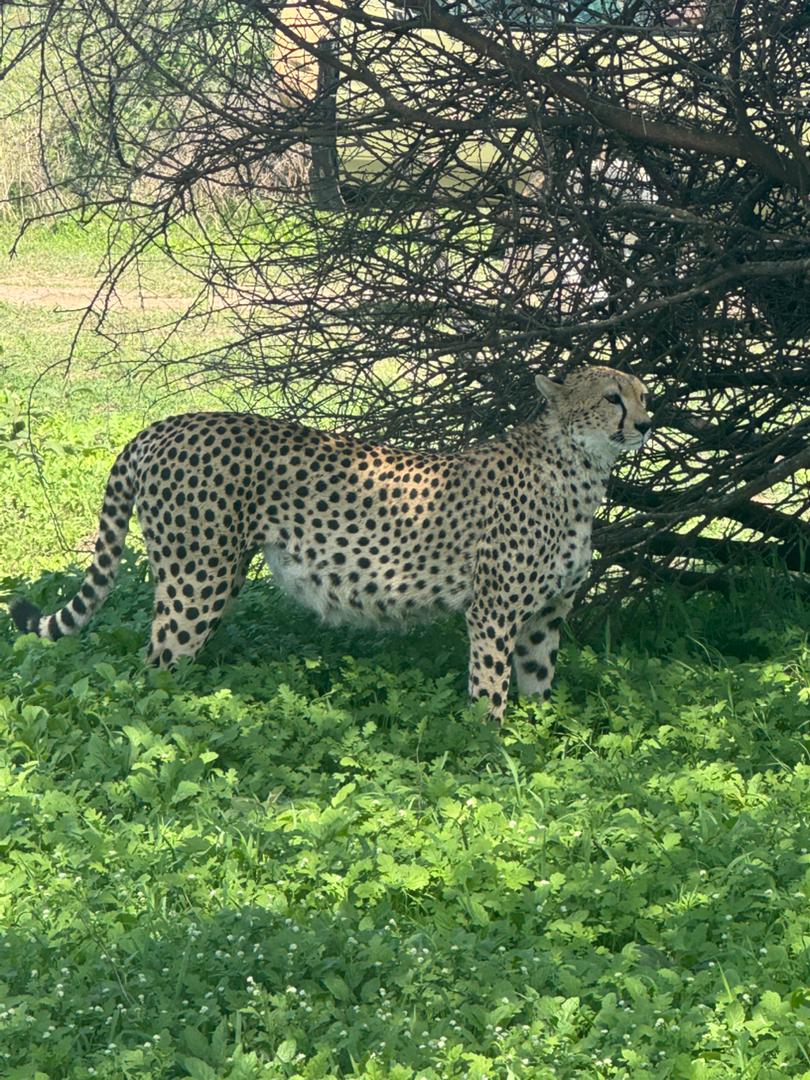
- Seronera Valley supports year-round resident lion (Panthera leo), leopard (Panthera pardus), cheetah (Acinonyx jubatus), and hyena (Crocuta crocuta)
- Drive times from Seronera to prime areas: 30–60 minutes
- Full-day drives are typical — suits children aged 8 and above with sustained attention spans
Ndutu Plains, Southern Serengeti — ages 5 and above (December–March only)
- Wildebeest (Connochaetes taurinus) calving season: late December through March
- Wildlife concentrations are the densest of any Northern Circuit zone during calving
- Drive distances are short; newborn animals are visible within minutes of entering the plains
- Recommended seasonal upgrade for families traveling during school holidays
Core Safety Rules — Vehicle, Camp, and Medical
Short answer: Wildlife incidents involving safari vehicles are statistically rare. The three actual risk categories for children on safari in Tanzania are malaria, dehydration during long drives, and unescorted camp movement after dark. All three are preventable.
Vehicle safety
- Stay inside the vehicle during all game drives — TANAPA distance rules require approximately 25 meters from predators and 50 meters from elephants (Loxodonta africana) with calves
- Children may stand through roof hatches only when the guide confirms the vehicle is stationary and animal behavior is stable
- Most Northern Circuit safari vehicles do not carry ISOFIX or LATCH child-seat systems — confirm functioning seatbelts for road transfer sections
Camp safety
- Most Northern Circuit lodges and camps are unfenced — elephants, buffalo (Syncerus caffer), and hyenas move through camp areas at night
- Children must never walk between tents or lodge buildings alone after dark
- All tent zippers must remain fully closed — baboons (Papio anubis) and vervet monkeys (Chlorocebus pygerythrus) enter open tents quickly
- Use Maasai askari escort services after sunset when available — most mid-range and luxury camps offer this
Medical safety — malaria
This section provides general educational guidance only. Confirm all medication decisions with a qualified travel medicine specialist before departure.
- Tanzania’s Northern Circuit — including Serengeti National Park, Tarangire National Park, Lake Manyara National Park, and Ngorongoro Conservation Area — carries moderate to high malaria exposure risk
- Pediatric malaria prophylaxis options depend on child weight and age — a travel medicine specialist must prescribe
- WHO guidance supports DEET at 20–30% concentration for children over 2 months old
- Long sleeves and trousers from dusk onward reduce mosquito exposure significantly
- Dry season travel (June–October) generally produces lower mosquito density and better road conditions
- Emergency evacuation insurance covering AMREF Flying Doctors is strongly recommended for all families
Safety and health information: Malaria risk in Tanzania is real and requires prophylaxis for all ages. The mitigation — pediatric prescription medication from a travel medicine specialist, DEET repellent, and physical barrier clothing — is well-established. We do not minimize this risk. Consult a travel medicine clinic at least 6 weeks before departure.
Financial accuracy: All prices stated reflect June 2026 figures from Kilimania Adventure’s own operational costs and verified government fee schedules.
Why a Private Vehicle Is Required for Families With Children Under 10
A shared group vehicle operates on a fixed schedule for up to six passengers with different preferences. It cannot stop for bathroom breaks, return early for a tired child, or adjust departure time around a young child’s sleep schedule. These limitations are structural, not operational.
A private safari vehicle provides:
- Flexible departure times set around your children’s schedules
- Stops every 60–90 minutes without impacting other passengers
- Early return to lodge when children disengage — without penalty or group pressure
- Roof hatch access positioned for children’s sightline
- Guide attention focused entirely on your family’s experience
Families weighing the shared vs private decision should read our guide on how to join a group safari in Tanzania 2026.
Best Tanzania National Parks for Children
| Park | Recommended Ages | Primary Reason | Drive Distance From Gate to Wildlife |
|---|---|---|---|
| Tarangire National Park | 5–16 years | Elephant herds within 30–40 minutes | 10–20 km |
| Lake Manyara National Park | 5–12 years | Short circuit, tree lions, flamingo shoreline | 5–15 km |
| Ngorongoro Crater | 7–16 years | Compact crater floor, high predator density | 20-min descent |
| Ndutu Plains (Dec–Mar) | 5–16 years | Wildebeest calving season, dense concentrations | 5–10 km from plains entry |
| Central Serengeti (Seronera) | 8–16 years | Year-round big cat resident population | 30–60 km |
FAQ: Tanzania Safari With Kids
Is a Tanzania safari safe for children?
Yes. Wildlife incidents involving passengers in safari vehicles are extremely rare across Tanzania’s Northern Circuit. The primary manageable risks are malaria (requires pediatric prophylaxis), dehydration on long drives, and unescorted movement in camp after dark. All three are preventable with preparation.
What is the minimum age for a Tanzania safari?
TANAPA sets no legal minimum age for vehicle-based game drives. Most lodges apply their own minimum of 5 years. Always confirm the specific lodge’s policy in writing before booking.
What is the balloon safari age limit in Tanzania?
7 years minimum, set by TANAPA and applied at every balloon launch site in Serengeti National Park. No operator can waive this rule. Age is verified at check-in.
Can toddlers go on safari in Tanzania?
Yes, at lodges that accept all ages and with a private vehicle operating shorter morning-only drives. Confirm the specific lodge’s policy directly before booking — some luxury camps require a minimum age of 7–12 years.
Can children do walking safaris in Tanzania?
No. TAWA regulations require walking safari participants to be at least 16 years old. This applies across all national parks and conservation areas in Tanzania.
Which Tanzania park is best for children under 10?
Tarangire National Park. Elephant herds are visible within 30–40 minutes of entering the park, drive distances to prime wildlife areas are short, and the range of species is high relative to drive time required.
How long should game drives be for young children?
Children aged 3–4 should not exceed 2–3 hours. Children aged 5–7 should stay within 3–4 hour morning drives. Children aged 8–11 can manage 4–5 hours with a mid-drive breakfast stop.
Do all Tanzania lodges accept children?
No. Some luxury camps require children to be 7, 8, or 12 years old. This is a lodge policy independent of TANAPA regulations. Always confirm in writing before paying any deposit.
What is the Ngorongoro Crater descent fee?
$295 per vehicle per day, set by the Ngorongoro Conservation Area Authority (NCAA). This fee applies regardless of passenger count and must appear as a line item in any operator quote for a Ngorongoro itinerary. A quote omitting this fee is incomplete.
What vaccinations do children need for a Tanzania safari?
Yellow fever vaccination is required only if arriving from a yellow fever endemic country — not required for direct flights from the USA, UK, EU, or Australia. Consult a travel medicine clinic for current recommendations on typhoid, hepatitis A, and malaria prophylaxis at least 6 weeks before departure.
For International Families
All prices are in USD. Current conversions: $1,800 ≈ £1,400 | €1,680 | AU$2,700.
Flights to Kilimanjaro International Airport (JRO):
- New York or Los Angeles: $800–$1,400 return
- London: £550–£900 return
- Sydney: AU$1,400–AU$2,200 return
Tanzania e-visa: $50 for most nationalities | $100 for US citizens. Apply to immigration.go.tz at least 7 days before departure. Use Visa or Mastercard. Use Google Chrome or Firefox.
Yellow fever certificate: Required only if arriving from an endemic country. Not required for direct flights from the USA, the UK, the EU, or Australia.
Pre-safari accommodation in Moshi: $35–$80 per night at budget guesthouses. Book one night before and one night after your safari.
Response times: Kilimania Adventure operates on East Africa Time (EAT, UTC+3) from Moshi, Tanzania. Moshi is 3 hours ahead of London, 8 hours ahead of New York, 11 hours ahead of Los Angeles, and 7 hours behind Sydney. All quote requests receive a reply within 12 hours, 7 days per week.
Why Trust Kilimania Adventure for This Information
- Base: Moshi, Kilimanjaro Region, Tanzania — physical office, not an online booking desk
- TATO registration: Registered member of the Tanzania Association of Tour Operators
- Field experience: Sabinus Msimba — 22 years guiding, 300+ Kilimanjaro summits, KINAPA-licensed
- Safari operations: Kanti Kessy — 17 years running game drives on the Northern Circuit from Moshi
- Field days: 200+ days per year operating in Serengeti, Ngorongoro, Tarangire, and Lake Manyara
- Transparency commitment: We publish honest limitations, real regulatory data, and complete cost breakdowns because families who understand the rules book safer, better safaris
- Contact our Moshi office directly: +255 756 449 990, 7 days per week
Final Summary
Three rules determine whether a Tanzania safari with kids succeeds.
Confirm eligibility before booking. The minimum age is 7 years under TANAPA. The minimum age is 16 years under TAWA. Lodge minimum ages vary from 5 to 12 years — verify in writing.
Match park selection to your youngest child. Families with children under 10 should open with Tarangire National Park before adding Serengeti to the itinerary.
Keep drives short. Children under 8 disengage after 3–4 hours. A shorter morning drive with one strong sighting consistently outperforms a full-day drive with an exhausted child.
For family itineraries built around these rules, see our 5-day Tanzania safari Tarangire Manyara Ngorongoro and our 7-day Tanzania safari Northern Circuit Big Five pages.
From our base in Moshi, Kilimanjaro Region, Kilimania Adventure runs daily safaris to Serengeti National Park, Ngorongoro Crater, Tarangire National Park, and Lake Manyara National Park, with pickups from Kilimanjaro International Airport (JRO) and Arusha Airport (ARK).
We Walk With You.
Related Tanzania Safari Guides
- 6 days Tanzania safari Tarangire Serengeti Ngorongoro
- 3 days Tanzania safari Lake Manyara Ngorongoro
- 7 days Tanzania safari Northern Circuit Big Five
- 5 days Tanzania safari luxury beach Zanzibar
- 4 days Tanzania safari Tarangire Serengeti Ngorongoro
- 4 days Tanzania big cats and balloon safari
- 5 days Tanzania safari Tarangire Manyara Ngorongoro
- Mount Kilimanjaro climbing
- Tanzania honeymoon safari and Zanzibar 2026
Disclosure: This article is written by Kilimania Adventure, a TATO-registered safari and Kilimanjaro climbing operator based in Moshi, Kilimanjaro Region, Tanzania. We have a commercial interest in Tanzania safari bookings. All prices and regulations reflect verified 2026 data from our own operations and published government sources. We encourage you to compare our quotes with at least two other TATO-registered operators before booking.
Written by: Sabinus Msimba, Senior Safari Guide and Co-founder, Kilimania Adventure. Credentials: KINAPA-licensed mountain guide. 22 years guiding across Tanzania’s Northern Circuit. 300+ Kilimanjaro summits. 200+ field days per year in Serengeti National Park, Ngorongoro Crater, Tarangire National Park, and Lake Manyara National Park. Last reviewed: June 2026. Review schedule: Updated following each TANAPA and NCAA regulatory announcement. Changes applied within 72 hours of official publication.