Language
Currencies
Best Route To Climb Kilimanjaro Find Easy Hike
More Background Information
Climbing Mount Kilimanjaro is an adventure of a lifetime, and choosing the right route is essential to making your summit journey as enjoyable and successful as possible. With several routes to choose from, each offering a unique experience, understanding the differences can help you decide which one is best for you. In this article, we’ll explore the best routes to climb Kilimanjaro, including the Machame, Lemosho, and Rongai routes, and why Kilimania Adventure is your ultimate partner for this incredible journey.
More Background Information
When you set out to best routes to climb Kilimanjaro , it’s not just about reaching the summit—it’s about the experience. The right route can ensure proper acclimatization, which is crucial for a successful summit, as well as providing the type of environment and terrain that suits your adventure style.
At Kilimania Adventure, we are experts in Kilimanjaro trekking, offering tailored itineraries for every type of climber. Whether you’re seeking a scenic, quieter, or more challenging experience, we’ve got a route that fits your needs.
Machame Route: The Popular Choice, best routes to climb Kilimanjaro
The Machame Route is by far the most popular route for climbers, making up nearly 50% of all Kilimanjaro treks. Known as the Whiskey Route, it offers breathtaking views, a variety of landscapes, and a high success rate due to its careful acclimatization schedule.
Why Choose the Machame Route?
- Stunning Views: Experience diverse ecosystems, from lush rainforests to alpine deserts.
- Challenging but Rewarding: While the Machame Route is one of the tougher options, it is more rewarding and offers excellent summit success rates.
- Best for Acclimatization: This route provides ample time to acclimatize before the summit, reducing the risk of altitude sickness.
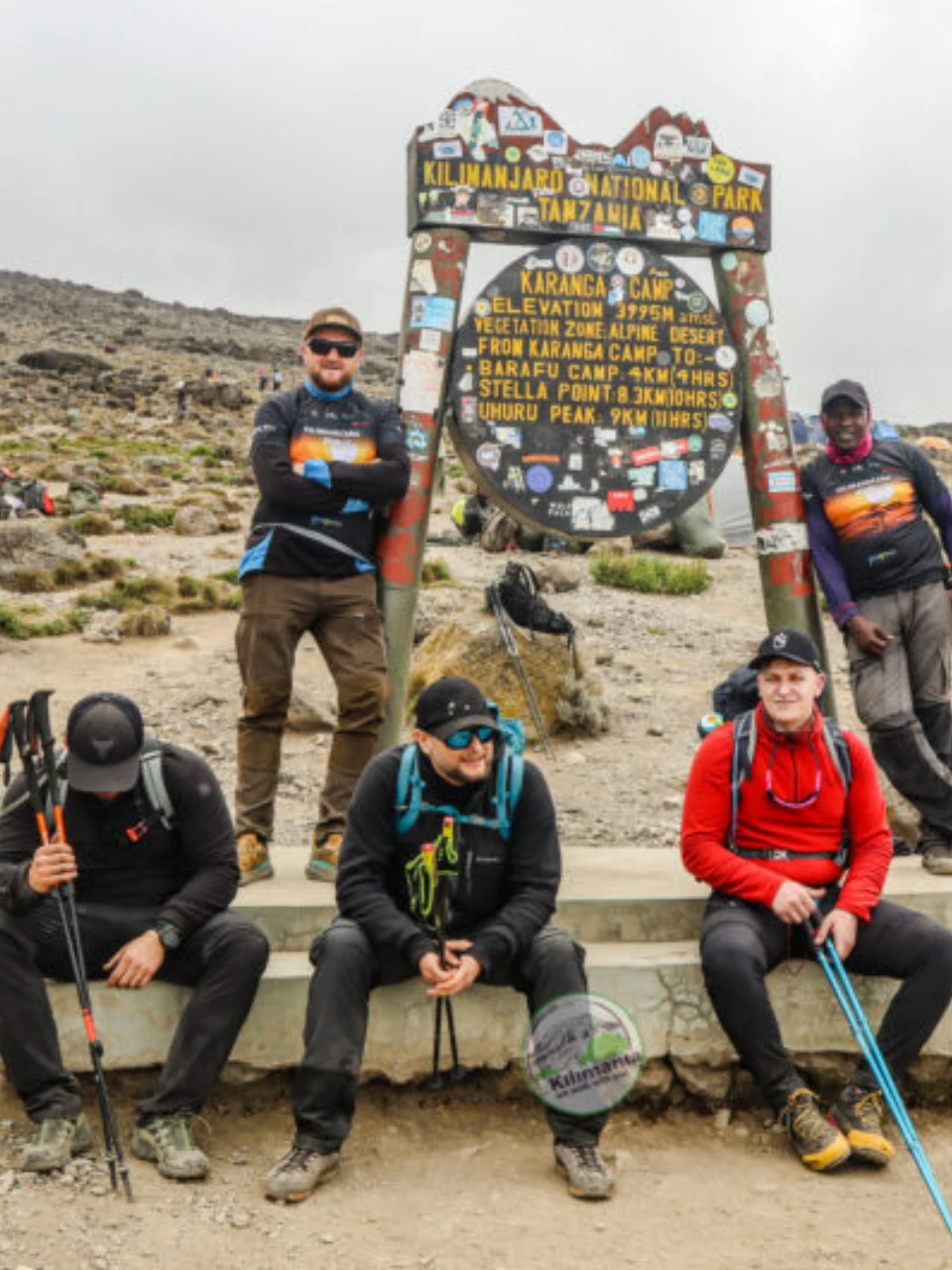
Start your Machame journey at Machame Gate and hike through the rainforest. You’ll encounter breathtaking views as you ascend towards the Shira Plateau. On Day 3, you’ll reach Lava Tower and continue to Barranco Camp, where the famous Barranco Wall awaits. After conquering the wall, you’ll traverse towards Karanga and eventually reach Barafu Camp, the final stop before summiting. The descent is through the Mweka Trail, offering a smooth route back to the base.
For more details on the Machame Route, check out our 7-Day Machame Trek.
Lemosho Route: Best for Acclimatization
If you’re looking for a quieter, more gradual ascent with excellent acclimatization opportunities, the Lemosho Route is the way to go. With a higher starting point and less traffic, it’s perfect for those seeking a more peaceful trekking experience.
Why Choose the Lemosho Route?
- High Summit Success Rate: The extended trek provides the best acclimatization, reducing the risk of altitude sickness.
- Quieter Experience: Starting from Londorossi Gate, you’ll enjoy a peaceful climb through lush rainforest before reaching the Shira Plateau and merging with the Machame Route on Day 3.
- Stunning Landscapes: From rainforests to volcanic ridges, the Lemosho Route offers some of the most picturesque landscapes.
The Lemosho Route begins at Londorossi Gate at 2,360m, and after winding through rainforests, it ascends to the Shira Plateau, providing stunning views of Shira Cathedral. The route offers flexibility for climbers, with options for an 8-day trek to ensure proper acclimatization. On Day 8, climbers will summit via Stella Point, reaching the iconic Uhuru Peak.
If the Lemosho Route interests you, explore our 8-Day Lemosho Trek.
Rongai Route: The Remote Option, best routes to climb Kilimanjaro
The Rongai Route is the only route that starts from the northern side of Kilimanjaro, near the Kenyan border. It’s known for being quieter, offering a more wilderness-like experience. For those looking to avoid the crowds, this is an excellent choice.
Why Choose the Rongai Route?
- Secluded Trek: Fewer climbers, meaning a more intimate and remote experience.
- Wildlife Viewing: The northern side of the mountain offers the best chance to see wildlife, such as elephants, monkeys, and birds.
- Slightly Easier Ascent: While not as difficult as the Machame Route, it still provides a rewarding challenge.
Climbing the Rongai Route, you’ll traverse through a dry, barren landscape, where the rainforest has given way to agricultural areas. The route offers a more gradual ascent, perfect for those looking for a quieter experience with minimal crowds. After summiting, the descent is via the Mweka Trail, similar to the Machame Route.
For more information on Rongai Route climbing options, visit Rongai 6-Day Trek.
Tips for a Successful Kilimanjaro Climb
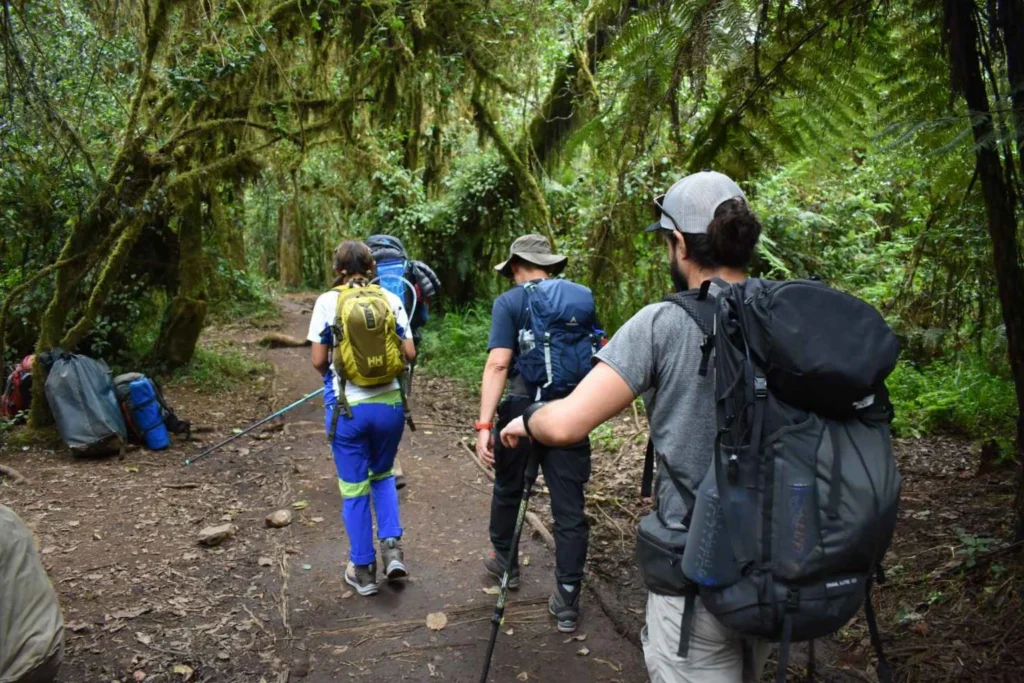
- Acclimatize Properly: Regardless of the route you choose, proper acclimatization is essential. Opting for a longer trek, like the 8-Day Lemosho or 7-Day Machame, increases your chances of summit success.
- Physical Preparation: Prepare by hiking at high altitudes, building endurance, and practicing with a backpack.
- Pack Smart: Make sure to bring layers of clothing, good hiking boots, and a reliable water source. The mountain can be hot during the day but freezing cold at night.
Western Breach Kilimanjaro Route | Safety Concerns & Alternatives
For those looking to summit Mount Kilimanjaro, the Western Breach was once considered an exciting but challenging route to Uhuru Peak. This path, which approached the summit from the west, was known for its steep, rocky incline and breathtaking views. However, safety concerns have led to its closure, and climbers now need to consider alternative routes for their Kilimanjaro adventure.
The Western Breach: A Beautiful Yet Dangerous Ascent
The Western Breach was a popular route used by climbers on the Umbwe, Lemosho, Shira, and Machame routes. The ascent covered approximately 2,800 feet (850 meters) over a distance of just 1.25 miles (2 km), which made for a physically demanding trek. This section required some scrambling, and climbers had to navigate rocky terrain while ascending a steep slope. While the Western Breach offered stunning views, it was also a very challenging and strenuous route that tested the skills of even experienced mountaineers.
The Closure of the Western Breach
Due to safety concerns arising from rockfall hazards, and increasing incidents involving climbers, Kilimanjaro National Park (KINAPA) closed the Western Breach for some time. It was briefly reopened in December 2007 but was later deemed unsafe by many prominent Kilimanjaro operators. As a result, Kilimania Adventure no longer utilizes the Western Breach approach. Our primary concern is the safety of our clients and staff, and we advise against using this route.
If you’re planning your climb with us, rest assured that we offer safer alternatives to the Western Breach, such as the Lemosho, Machame, and Rongai routes, all of which provide stunning views and well-established paths.
The Crater Route via Lemosho: A 9-Day Adventure to Uhuru Peak
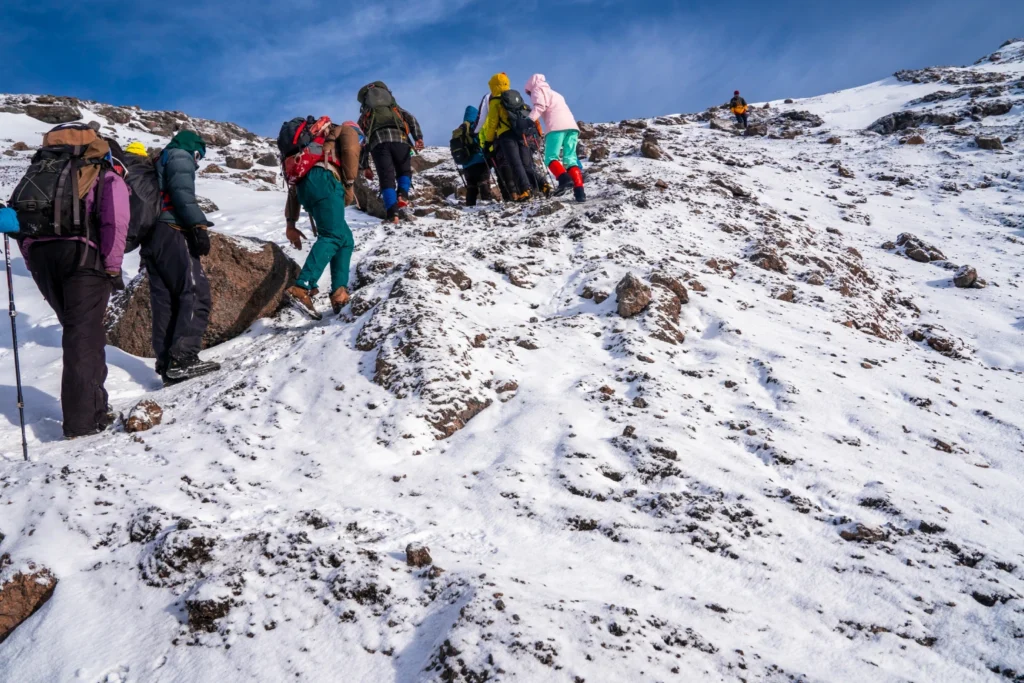
Best routes to climb Kilimanjaro via the Lemosho Route and the Crater Route is one of the most epic ways to reach Uhuru Peak. This trek combines the scenic beauty of the Lemosho Route with the challenging and rewarding summit approach through the Crater Route. The 9-day journey includes a stay at Crater Camp, providing climbers a chance to sleep near the summit before making the final push to Uhuru Peak. This combination is perfect for those seeking a unique, less crowded, and incredibly rewarding Kilimanjaro experience.
Why Choose the Lemosho Route and Crater Route Combination?
The Lemosho Route is widely regarded as one of the best ways to best routes to climb Kilimanjaro. It is known for its beautiful landscapes, excellent acclimatization profile, and relatively low traffic compared to other popular routes like Machame. When you combine this with the Crater Route, you get the chance to rest at Crater Camp, a unique experience where climbers sleep just below the summit, allowing for a higher success rate due to better acclimatization.
Key Benefits of the Lemosho + Crater Route
- Scenic Beauty: The Lemosho route offers breathtaking views, passing through dense rainforests, alpine meadows, and volcanic landscapes.
- Best Acclimatization: The 9-day trek allows for optimal acclimatization, improving your chances of summiting.
- Crater Camp Experience: Spending a night at Crater Camp gives you a surreal experience of staying at the edge of Kilimanjaro’s volcanic crater before heading to Stella Point and Uhuru Peak.
- Less Crowded: The Lemosho route is often quieter than other routes, giving you a more peaceful and intimate experience.
9-Day Lemosho Route with Crater Camp: Detailed Itinerary
| Day | Route | Altitude (m) | Accommodation | Distance | Details |
|---|---|---|---|---|---|
| 1 | Lemosho Gate to Mti Mkubwa Camp | 2,380 m | Mti Mkubwa Camp | 10 km | The trek begins with a scenic hike through the rainforest, offering great views of Kilimanjaro’s lower slopes. |
| 2 | Mti Mkubwa Camp to Shira Camp | 3,840 m | Shira Camp | 12 km | Continue through the moorland zone with views of the Shira Plateau and the towering Kilimanjaro peaks. |
| 3 | Shira Camp to Lava Tower | 4,630 m | Lava Tower Camp | 15 km | This day includes a visit to the Lava Tower for altitude acclimatization. |
| 4 | Lava Tower to Barranco Camp | 3,950 m | Barranco Camp | 13 km | After a challenging day, descend to Barranco Camp for the night, a great spot to acclimatize. |
| 5 | Barranco Camp to Barafu Camp | 4,673 m | Barafu Camp | 10 km | The climb from Barranco to Barafu Camp is steep and demanding, preparing you for summit night. |
| 6 | Barafu Camp to Crater Camp | 5,600 m | Crater Camp | 5 km | A short but tough ascent leads you to Crater Camp, located on the rim of Kilimanjaro’s volcanic crater. |
| 7 | Crater Camp to Stella Point to Uhuru Peak | 5,895 m | Summit | 7 km | Begin your summit push early in the morning, reaching Stella Point and then proceeding to Uhuru Peak. |
| 8 | Descend to Mweka Camp | 3,100 m | Mweka Camp | 12 km | After summiting, descend to Mweka Camp for a well-deserved rest. |
| 9 | Mweka Camp to Mweka Gate | 1,640 m | Mweka Gate | 10 km | Complete your descent to Mweka Gate and transfer back to your hotel. |
Why Opt for a Night at Crater Camp?
One of the most unique features of the Lemosho Route with the Crater Route is the night spent at Crater Camp. Sleeping at such a high altitude (5,600m) provides several benefits:
- Improved Acclimatization: Spending a night at Crater Camp allows your body to adjust to the high altitude before making the final ascent to Uhuru Peak. This extra night can be crucial in increasing your chances of successfully summiting.
- A Unique Experience: Few climbers get the chance to stay at Crater Camp, making it a once-in-a-lifetime experience. Imagine sleeping on the edge of a volcanic crater, with views of the surrounding glaciers and the towering peaks of Kilimanjaro.
- Closer to the Summit: Crater Camp is located just below Stella Point, giving you a head start for your summit push, reducing the overall fatigue during your final ascent.
Preparing for the Crater Route
Climbing Kilimanjaro via the Lemosho Route and the Crater Route requires good physical fitness, preparation, and acclimatization. The 9-day itinerary ensures that climbers have enough time to adapt to the high altitudes, making it suitable for those with some trekking experience.
Key Preparation Tips
- Train for Altitude: If you’re not used to high-altitude hiking, spend some time training at higher altitudes to prepare your body.
- Stay Hydrated: Drink plenty of water during the trek to combat the effects of altitude sickness.
- Pack Wisely: Ensure you bring the necessary gear for high-altitude trekking, including warm clothing, trekking poles, and waterproof layers.
For more details about this exciting 9-Day Lemosho Route via Crater Camp, visit Kilimania Adventure and start planning your climb to the summit of Mount Kilimanjaro today!
Ready to Take the Challenge?
Are you prepared to conquer Mount Kilimanjaro via the Lemosho Route and the Crater Route? Contact Kilimania Adventure now to book your trek and experience one of the most incredible journeys in the world! Book your Kilimanjaro Trek with us today!
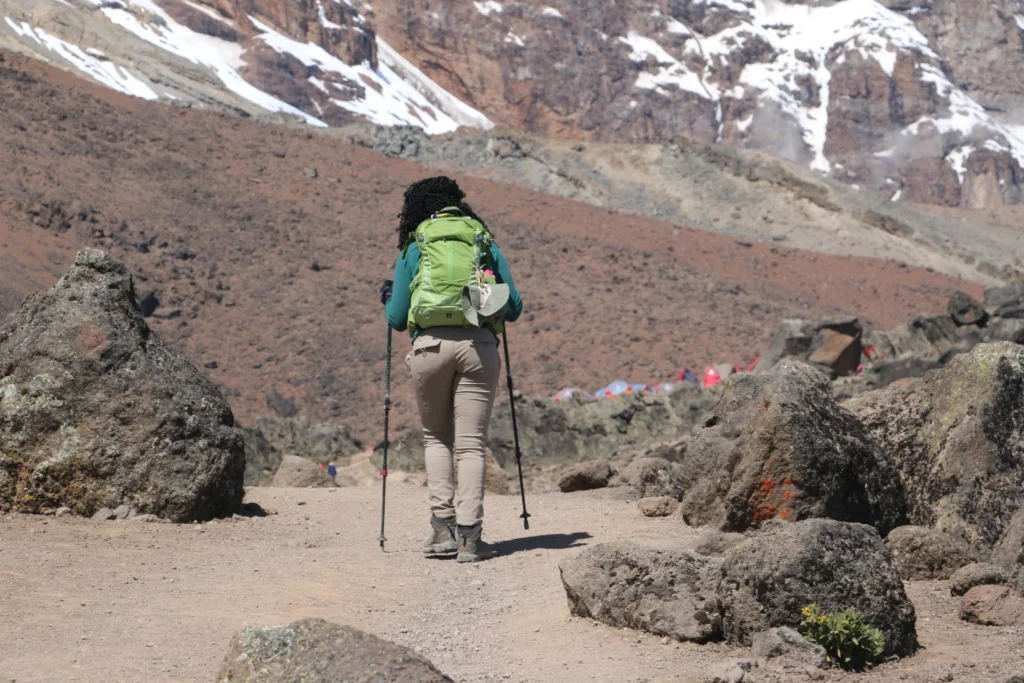
Mount Meru: A Hidden Gem for Altitude Acclimatization
While the Western Breach is off-limits, there’s another incredible option for those looking to prepare for Kilimanjaro: Mount Meru. Located about 50 miles (80 km) to the west of Kilimanjaro, Mount Meru is often overlooked by trekkers, but it offers a spectacular alternative for those looking to acclimatize before tackling the heights of Uhuru Peak.
At 14,980 feet (4,565 meters), Mount Meru is not only an ideal warm-up for Mount Kilimanjaro but also a beautiful hike in its own right. Climbing Meru offers the opportunity to enjoy wildlife sightings, including buffalo, giraffes, and various species of monkeys, in a much quieter environment than Kilimanjaro. The mountain is less crowded, giving trekkers a more peaceful, intimate experience with nature.
Why Climb Mount Meru?
- Altitude Acclimatization: Meru is perfect for acclimatizing to the higher altitudes before ascending Kilimanjaro, allowing you to better prepare for the demands of your main climb.
- Spectacular Views: From the summit of Meru, you can enjoy incredible panoramic views of Kilimanjaro in the distance, offering an impressive preview of the adventure ahead.
- Wildlife Encounters: Unlike the heavily trafficked Kilimanjaro routes, Mount Meru is home to diverse wildlife, adding an exciting element to your trek.
- Less Crowded: Meru’s solitude provides a much quieter experience, where you’ll have more opportunities to connect with nature without the larger crowds seen on Kilimanjaro.
A Quiet Preference for Mount Meru
Many climbers who conquer both Mount Meru and Mount Kilimanjaro often express a quiet preference for the less-crowded Meru. Its serene beauty and wildlife encounters make it a hidden gem that many consider a rewarding climb in its own right.
If you’re considering Mount Meru as a warm-up before Kilimanjaro, Kilimania Adventure offers guides and treks to Mount Meru, ensuring that you’re well-prepared for your ultimate Kilimanjaro adventure. For more details on climbing Mount Meru, visit our Mount Meru Trekking.
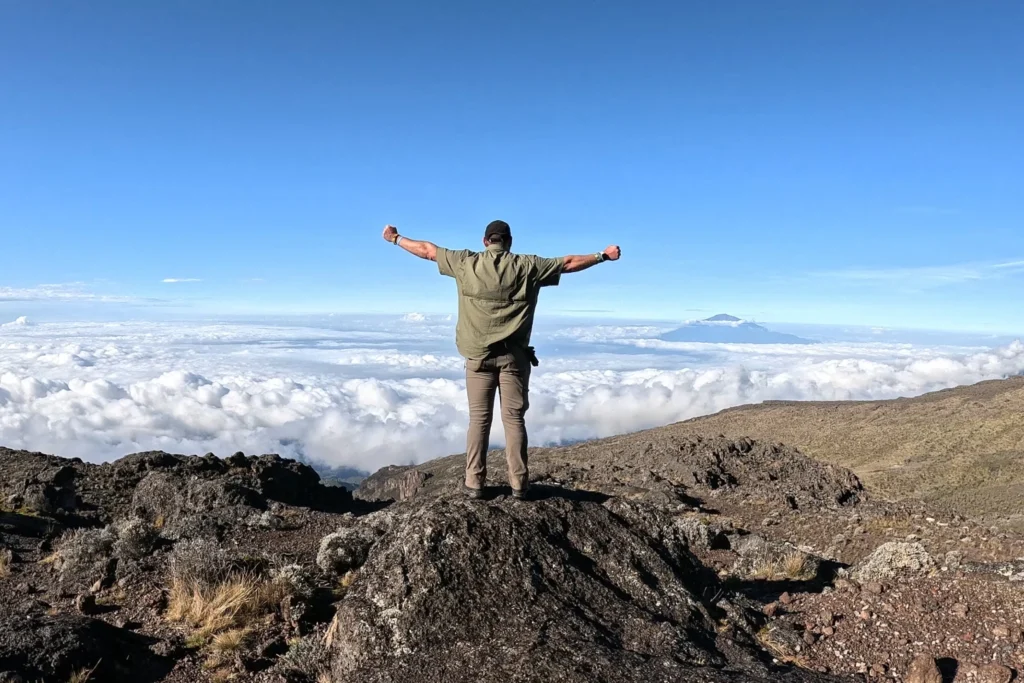
Best Routes to Climb Kilimanjaro | Find Your Ideal Trek
Whether you’re seeking a peaceful trek through scenic rainforests or a challenging climb with a direct ascent to the summit, there’s a route for every type of adventurer.
In this guide, we break down the top Kilimanjaro climbing routes, from easy hikes to more challenging treks, helping you decide the best route for your summit success.
Popular Routes for Climbing Kilimanjaro
Machame Route
- Overview: Known for its scenic beauty, the Machame Route is often called the “Whiskey Route” due to its challenging nature. It’s one of the most popular options among climbers.
- Difficulty: Moderate to Challenging
- Experience: The Machame Route offers stunning landscapes, including lush rainforests, alpine meadows, and rocky terrains. As you ascend, you’ll get breathtaking views of Kilimanjaro’s glaciers, making it a top choice for trekkers seeking a diverse experience.
- Why Choose This Route: It’s perfect for those looking for a bit of a challenge while still enjoying spectacular views along the way.
Lemosho Route
- Overview: The Lemosho Route is ideal for climbers who prefer a quieter trek with fewer crowds. This route offers excellent acclimatization opportunities and diverse landscapes.
- Difficulty: Moderate
- Experience: Starting from the western side of Kilimanjaro, the Lemosho Route takes climbers through dense rainforests, vast moorlands, and volcanic landscapes. It’s known for its slower ascent, providing better chances of summiting successfully.
- Why Choose This Route: Perfect for those looking for a peaceful experience and a high summit success rate. The 9-day trek with a Crater Camp night ensures ample time to acclimatize.
- Book Your Trek on the Lemosho Route: For a detailed itinerary and more info, visit our Lemosho Route 8 Days Trek.
Marangu Route
- Overview: Referred to as the “Coca-Cola” route, the Marangu Route is the most popular route for beginners, with hut accommodations along the way.
- Difficulty: Easier compared to other routes
- Experience: Marangu offers a gradual ascent, making it more suitable for those who are less experienced. It’s also the only route on Kilimanjaro with dormitory-style huts for overnight stays.
- Why Choose This Route: This route is perfect for trekkers who prefer a less physically demanding ascent and value comfort during their climb.
- For More Information: Check out the Marangu Route 6 Days option on our Marangu Page.
Rongai Route
- Overview: The Rongai Route is the only path that approaches Kilimanjaro from the north, offering trekkers a unique perspective of the mountain.
- Difficulty: Moderate
- Experience: This quieter route allows trekkers to enjoy solitude and stunning views of both the northern and southern sides of the mountain. It’s known for its scenic beauty and wildlife sightings along the way.
- Why Choose This Route: Ideal for those who want a less crowded route while still enjoying the challenge of summiting Kilimanjaro.
Umbwe Route
- Overview: The Umbwe Route is considered the steepest and most challenging route to the summit of Kilimanjaro.
- Difficulty: Challenging
- Experience: Umbwe offers a direct ascent to the summit, making it suitable for experienced climbers. This tough, steep route is less trafficked, providing a thrilling adventure for those seeking an intense climb.
- Why Choose This Route: Perfect for seasoned trekkers who are physically fit and accustomed to high-altitude trekking. It provides an adrenaline-pumping challenge but requires proper acclimatization to ensure summit success.
How to Choose the Best Route for You
When selecting your route to climb Kilimanjaro, consider the following factors:
- Fitness Level: Routes like Marangu are easier, while Machame and Umbwe require a higher fitness level.
- Acclimatization: If you’re concerned about altitude sickness, choose a route like Lemosho or Rongai, which offers slower ascents and better acclimatization.
- Crowd Preferences: If you prefer a quieter climb, routes like Lemosho or Rongai are less crowded compared to the popular Machame route.
- Adventure Style: Some routes, like Umbwe, offer a more challenging experience, while Marangu provides comfort with its hut accommodations.
“Choosing the right route is crucial for your success on Kilimanjaro. Consider your fitness level and preferences when making your selection.” – Kilimania Adventure Team
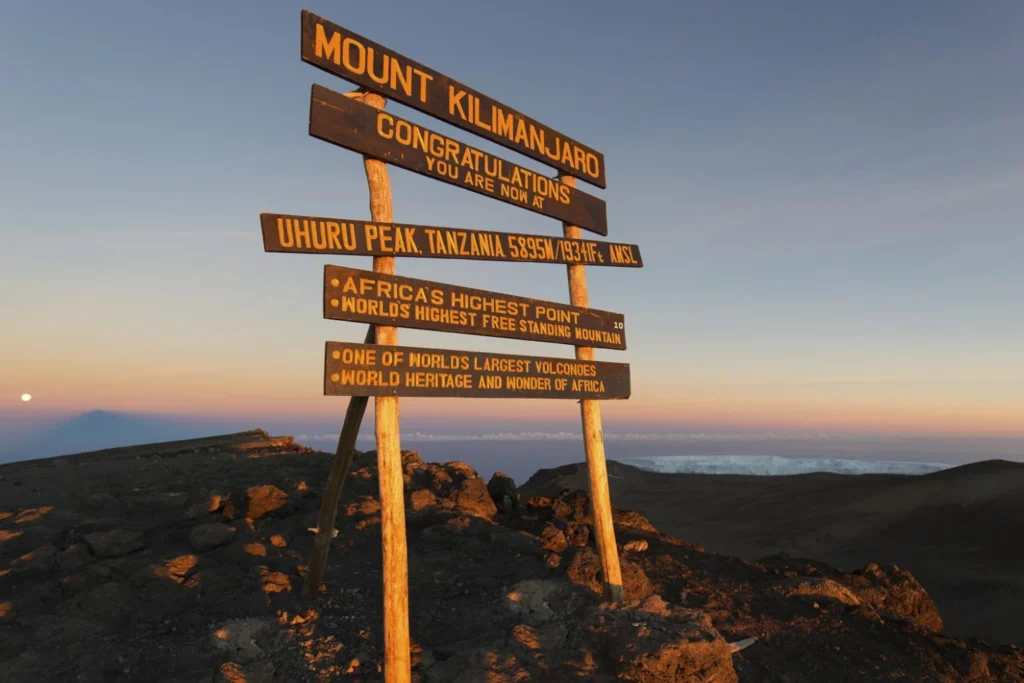
Choosing Your Ideal Route
Selecting the right route can be challenging. When determining the best route to climb Kilimanjaro for your needs, consider various factors such as scenery, difficulty, foot traffic, and altitude acclimatization. Below is a summary of the top routes:
Recommended Routes
| Route | Duration | Success Rate | Overview |
|---|---|---|---|
| Lemosho Route | 7–8 days | High (around 95%) | Known for its stunning scenery and gradual ascent, this route allows ample time for acclimatization. |
| Machame Route | 6–7 days | High (around 95%) | A popular choice that offers diverse landscapes and a challenging climb with a “climb high, sleep low” strategy. |
| Rongai Route | 6–7 days | High (around 95%) | Approaching from the north, this quieter route provides a more solitary experience with beautiful views. |
Additional Considerations
- Acclimatization: Routes with longer durations generally have higher success rates due to better acclimatization opportunities.
- Scenery and Experience: Each route offers unique landscapes and experiences, so select one that aligns with your preferences.
| Kilimanjaro Route | Min. Days | Rec. Days | Difficulty | Scenery | Traffic | Rating |
|---|---|---|---|---|---|---|
| Northern Circuit | 9 | 9 | high | excellent | very low | **** |
| Lemosho Route | 6 | 8 | high | excellent | medium | **** |
| Rongai Route | 6 | 7 | medium | very good | low | **** |
| Machame Route | 6 | 7 | high | excellent | high | *** |
| Shira Route | 6 | 7 | high | excellent | medium | ** |
| Marangu Route | 5 | 6 | medium | good | high | ** |
| Umbwe Route | 5 | 7 | very high | very good | very low | ** |
General Tourist Route Preferences
Machame: 45%
Marangu: 40%
Lemosho: 8%
Rongai: 5%
Shira: 1%
Northern Circuit: 0%
Umbwe: 0%
Client Preferences
Lemosho: 77%
Northern Circuit: 10%
Rongai: 6%
Machame: 6%
Marangu: 1%
Analysis
- General Tourists tend to prefer Machame and Marangu routes, likely because these are more well-known and have infrastructure geared toward a broader range of tourists. Marangu is often known as the “Coca-Cola route” due to its easier accessibility, while Machame is also popular due to its scenic views and relatively easier accessibility compared to other routes.
- Kilimania Adventure Clients prefer the Lemosho route by a large margin (77%), likely because it offers the best combination of high success rates, spectacular scenery, and lower foot traffic, which aligns with Kilimania’s emphasis on recommending routes with favorable conditions for a successful summit. Northern Circuit (10%) is another route with low traffic and great views, making it an ideal choice for adventurous clients.
Recommendations
- The Machame, Lemosho, and Rongai routes are preferred for their scenic appeal, success rates, and manageable traffic levels, all of which contribute to a more enjoyable and rewarding climbing experience. The Lemosho route, in particular, stands out as an excellent option due to its favorable balance between solitude and stunning landscapes, as reflected by its popularity among Kilimania’s clients.
Machame Route: Among the Best Route To Climb Kilimanjaro
If you have just 9 days and want to have the best chance of going home and saying I climbed Kilimanjaro the route is the one for you. Best route to climb Kilimanjaro Starting to the south-west of Kilimanjaro it circuits south before climbing to Uhuru Peak via Stella Point. With excellent acclimatisation and varied and interesting scenery every day it is a great choice for the novice climber.
Lemosho Route: Among the Best Route To Climb Kilimanjaro
We highly recommend the Lemosho route, approaching from the west, as one of the best routes to climb Kilimanjaro. First three days of the ascent are quiet and relatively untraveled, then day four it joins the busy Machame route. A wonderful route in terms of scenery, it offers unequalled views over the majestic Shira plateau. The success rate for this route is comparable to the Machame route.
The Rongai Route
The Rongai route approaches Mount Kilimanjaro from the north east, near the border of Kenya and Tanzania. Its main attraction is that it is very quiet and traverses virtually untouched wilderness. Ascent is via the scree path to Gilman’s Point with a traverse round the rim to Uhuru Peak. Descent is along the Marangu route.
The Northern Circuit: Among The Best Route To Climb Kilimanjaro
The newest officially approved route up Mount Kilimanjaro is the Northern Circuit route. One of the few ways to see its quieter, more remote northern slope. This is an extended, nine day climb which offers excellent acclimatisation time. Provides views of the rugged and highly varied countryside on all sides of the great mountain, among of Best route to climb Kilimanjaro .
The Rongai route approaches Mount Kilimanjaro from the north east, near the border of Kenya and Tanzania. Its main attraction is that it is very quiet and traverses virtually untouched wilderness. Ascent is via the scree path to Gilman’s Point with a traverse round the rim to Uhuru Peak. Descent is along the Marangu route.
Choosing between our recommended Best route to climb Kilimanjaro
Even when you have eliminated the routes with poor success rates, choosing a route is still probably the hardest decision. Fact that there is so much conflicting advice available on the internet. While we don’t pretend to own the oracle on this our advice is based on climbing all the routes ourselves. When you look at the choice of climbing routes, nearly every person starts with a checklist that the best route. This holy grail of routes sadly does not exist: all the routes with great scenery are busier.
For a really good chance of success. Good scenery and a reasonable budget check check out the Machame route over 7 days. Best route to climb Kilimanjaro
For great scenery, a quieter start. A more relaxed daily schedule, the 8 day Lemosho route is a great choice. Best route to climb Kilimanjaro
For a quieter route. That is ideal in the rainier months of the year then have a look at the Rongai route.
Without complicating these recommendations too much these are some of the other factors you should think about.
What is the experience of your group?
You need to carefully assess the fitness and experience of everyone in your group. As a route that would be fine for experienced mountaineers will not be suitable for novices. Nothing will put a damper on your summit success more effectively than having friends with you who didn’t make it. If you have weaker walkers in your group the 8 day climbs are best.
Do you have a limited number of days you can take? Ideally you need at least 7 days to climb and with travel days this means a 9 day trip. If you haven’t got this time, we would recommend the Machame route but the success rate will be lower
Is your budget a restriction?
Partly because of the number of days. Partly because of the access issues on some routes there is considerable variation in costs. The 8 day Lemosho and the Rongai routes are more expensive for these reasons. Don’t be tempted to save money by reducing your chance of success. The most expensive trip to climb Kilimanjaro is one where you don’t summit and have to descend with altitude sickness.
How challenging do you want to make the climb?
For most climbers getting to the summit is a big enough challenge. But we do operate Kilimanjaro routes that are even more challenging, like the Crater Camp options. Think carefully about just how tough you want to make your climb.
How important is the scenery?
With routes starting from different locations the views and scenery are very different. The rain shadow to the north of Kilimanjaro the climate is distinctly different. The most varied scenery is on the South and West of the mountain but this is also the wettest.
What is the motivation for climbing?
Of course everyone wants to summit but if you are climbing in a group for charity. Or doing the climb as a team-building event then reaching the summit should be the highest priority.
When do you want to do your climb? Because your choice of route is always a compromise between how attractive a route is. And how busy it will be the time of year can be a major factor. Most popular routes are quiet in the two rainy seasons and the Rongai route is much drier all year round.
If you are unsure which route to climb Kilimanjaro will be best for you. Ring and talk to one of our consultants (saby) who is experience guide.
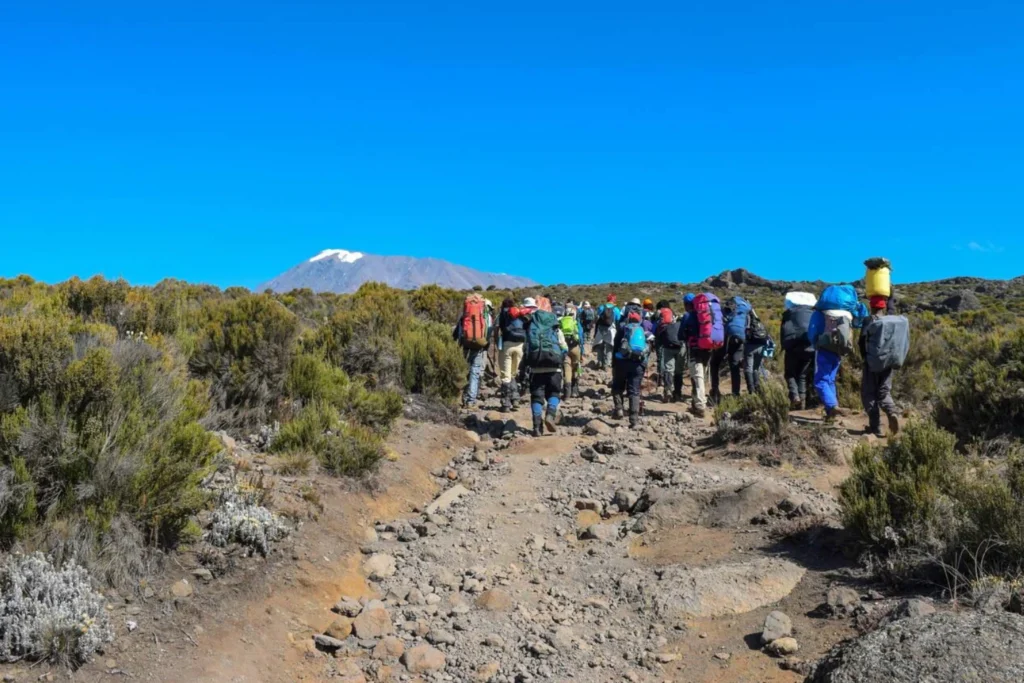
The Best Time to Climb Kilimanjaro
Choosing the right time to climb is crucial for a successful ascent. The ideal months are January to March and June to October, as these offer the best weather conditions with dry days and clear skies. Each season brings something special: the rainy season showcases vibrant, lush landscapes, while the dry season rewards climbers with breathtaking golden sunsets and unobstructed views.
Preparing for Your Kilimanjaro Adventure
Climbing Kilimanjaro is more than just selecting a route—it’s about proper preparation. Here’s how you can get ready:
Training: Build your endurance and strength through cardio exercises and hiking.
Gear: Invest in quality footwear, thermal layers for warmth, and a reliable, comfortable backpack.
Mental Preparation: Stay focused, maintain a positive mindset, and embrace the challenge ahead.
Frequently Asked Questions
What is the easiest route to climb Kilimanjaro?
The Marangu Route, also known as the “Coca-Cola Route,” is considered the easiest due to its gradual incline, well-established trail, and hut accommodations, making it suitable for climbers seeking a more straightforward experience.
Which Kilimanjaro route has the highest success rate?
The Northern Circuit boasts the highest success rates, primarily due to its extended acclimatization period, which allows climbers more time to adjust to the altitude, reducing the risk of altitude sickness.
How long does it take to climb Kilimanjaro?
Climbing Mount Kilimanjaro typically takes between 5 to 10 days, depending on the chosen route and the climber’s pace. Longer treks generally allow for better acclimatization and a higher chance of summit success.
Is climbing Kilimanjaro safe?
Yes, with proper preparation, a qualified guide, and a focus on acclimatization, climbing Kilimanjaro is generally safe. It’s essential to follow safety guidelines and approach the climb with physical and mental readiness.
Do I need technical climbing skills for Kilimanjaro?
No technical climbing skills are required to summit Kilimanjaro. However, climbers should be in good physical condition and mentally prepared for the physical challenges of the trek.
How much does it cost to climb Kilimanjaro?
The cost of climbing Kilimanjaro varies based on factors such as the selected route, trek duration, and tour operator. Prices typically range from $1,500 to $5,000, with higher costs for more extended treks and premium services.
Where to Stay Before and After Your Adventure
Embarking on the best route to climb Kilimanjaro is an exhilarating journey. However, ensuring a comfortable stay before and after your trek is vital for recovery and preparation. Here’s a guide to six top accommodations in Moshi, including San Salinero Hotel and Chanya Lodge, tailored for climbers and offering various amenities to enhance your experience.
Hotel Comparisons for Pre- and Post-Climb Stays
| Hotel | Price (Per Night) | Key Features | Why It’s Great for Climbers | Booking Link |
|---|---|---|---|---|
| Parkview Inn | From $80 | Rooftop views of Kilimanjaro, poolside relaxation, Western-standard comfort. | Convenient Moshi location, hearty breakfast, perfect for unwinding post-climb. | Book Parkview Inn |
| Honey Badger Lodge | From $100 | Tranquil setting, eco-friendly practices, lush gardens, pool, and wildlife sightings. | Offers peace and quiet with excellent dining and eco-conscious management. | Book Honey Badger Lodge |
| San Salinero Hotel | From $120 | Spacious lodges, well-maintained pool, restaurant with diverse cuisine, and serene surroundings. | Ideal for climbers seeking relaxation in a luxurious yet affordable setting. | Book San Salinero Hotel |
| Chanya Lodge | From $100 | Clean, modern rooms, excellent dining, poolside bar, and charming garden spaces. | Located just outside Moshi town, offering quiet relaxation with easy access to climbing gates. | Book Chanya Lodge |
| Ameg Lodge Kilimanjaro | From $150 | Fitness center, year-round outdoor pool, modern rooms, and Kilimanjaro views. | Professional service with excellent amenities and proximity to trekking routes. | Book Ameg Lodge Kilimanjaro |
| Stella Maris Lodge | From $90 | Charity-supportive stay, clean and quiet location, and friendly staff. | Supports community development while providing a restful and welcoming environment. | Book Stella Maris Lodge |
Spotlight: San Salinero Hotel and Chanya Lodge
San Salinero Hotel is a gem for climbers looking for tranquility and top-notch services. With its serene location, beautifully landscaped grounds, and well-equipped facilities, it’s an oasis for pre-climb preparation or post-climb recovery. The staff is attentive and knowledgeable, often helping guests with logistical needs for Kilimanjaro treks.
Chanya Lodge, on the other hand, combines rustic charm with modern amenities. Situated slightly outside Moshi’s hustle, it provides the perfect balance of quiet and accessibility. Its poolside bar is a favorite among climbers looking to relax after their trek, while the on-site restaurant serves delicious meals tailored for active adventurers.
Tips for Kilimanjaro Climbers
- Book Early: These hotels are popular with climbers, especially during the peak seasons (January-March and June-October).
- Choosing the best route to climb Kilimanjaro is critical, but where you stay before and after will amplify your experience. Relax, recharge, and soak in the magnificent views of Africa’s highest peak with these accommodations tailored to make your adventure unforgettable.
Conclusion
When planning your Kilimanjaro adventure, choosing the right time and route is essential for a successful and rewarding experience. The best months to climb are January to March and June to October, offering the most favorable weather conditions with dry skies and pleasant temperatures. These periods ensure optimal visibility, fewer rain delays, and a more comfortable climb.
As for the best route, it largely depends on your priorities. If you’re looking for a scenic journey with a high success rate, the Lemosho and Machame routes are excellent options. These routes offer stunning views, diverse landscapes, and a good balance of acclimatization and difficulty. The Northern Circuit, with its longer acclimatization period, also offers the highest success rate, making it ideal for those seeking a more gradual and less crowded experience.
Our Happy Traveller
Unforgettable 10Days Tanzania Safari with Kilimania Adeventure
“ We had an incredible 10-day safari exploring some of Tanzania’s most iconic parks, and it was an experience we'll never forget! Kilimania Adventure organized the entire trip seamlessly, and our safari guide, Kanti, made the journey even more special with his vast knowledge and passion for wildlife.“
Faq's
Frequently Asked Questions
How do I book a trip with Kilimania?
Lorem ipsum dolor sit amet, consectetur adipiscing elit. Ut elit tellus, luctus nec ullamcorper mattis, pulvinar dapibus leo.
What if I need to make changes to my booking?
Lorem ipsum dolor sit amet, consectetur adipiscing elit. Ut elit tellus, luctus nec ullamcorper mattis, pulvinar dapibus leo.
Does Travlo offer support during my trip?
Lorem ipsum dolor sit amet, consectetur adipiscing elit. Ut elit tellus, luctus nec ullamcorper mattis, pulvinar dapibus leo.
Are your trips family-friendly?
Lorem ipsum dolor sit amet, consectetur adipiscing elit. Ut elit tellus, luctus nec ullamcorper mattis, pulvinar dapibus leo.
Can I customize my travel itinerary?
Lorem ipsum dolor sit amet, consectetur adipiscing elit. Ut elit tellus, luctus nec ullamcorper mattis, pulvinar dapibus leo.
Do you need any help?
Ready to Explore? Let's Chat About Your Dream Trip
Let your wanderlust soar! Start exploring today and let unforgettable experiences await!