
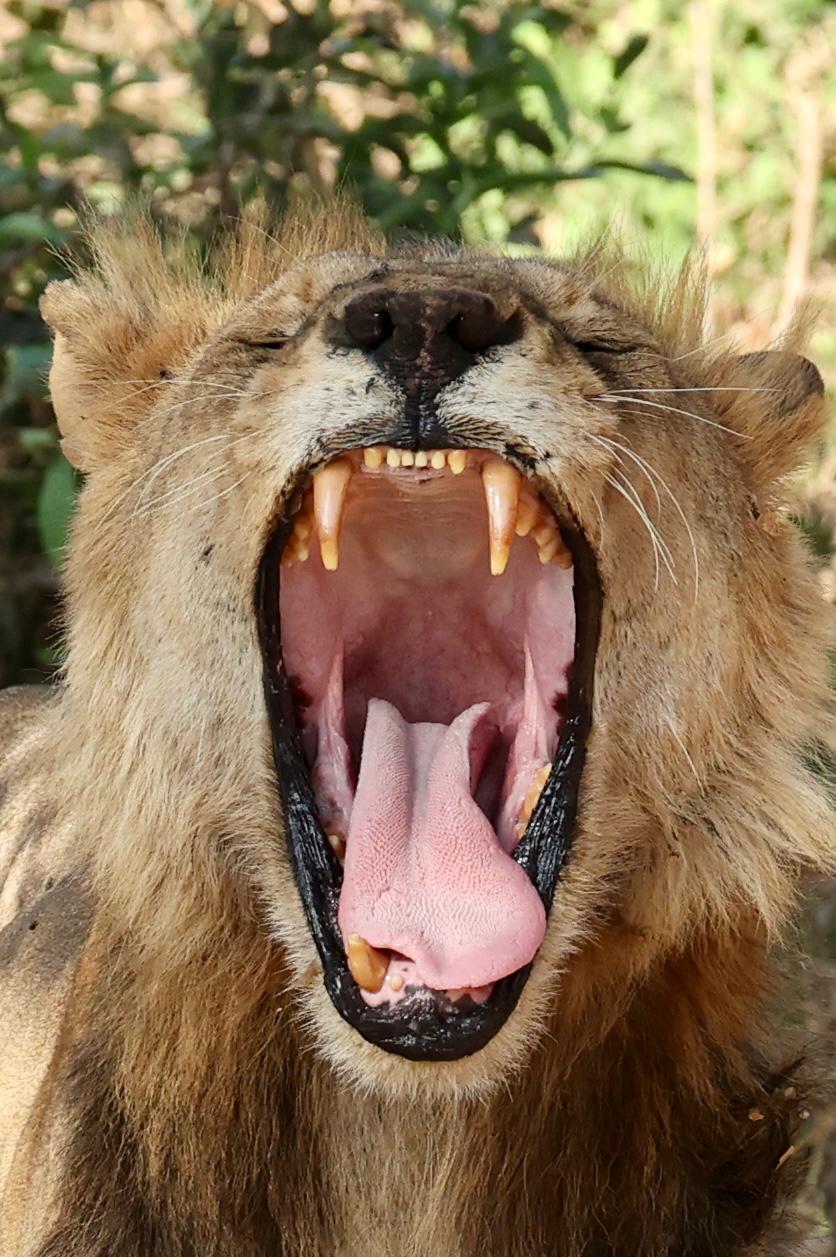
A Tanzania safari and Zanzibar package combines Northern Circuit wildlife viewing — Serengeti, Ngorongoro Crater, and Tarangire — with Indian Ocean beach recovery on Zanzibar Island. Most travelers spend 6–8 days on safari first, then fly from a Serengeti bush airstrip or Kilimanjaro Airport (JRO) to Zanzibar (ZNZ) for 3–6 beach nights.
The best overall time is July–September, when Serengeti wildlife density peaks and Zanzibar’s north coast remains dry, sunny, and swimmable. January–February is the best alternative for calving season safaris and lower beach-season crowds.
A realistic 10-day Tanzania safari and Zanzibar package costs:
• Budget: from $2,860/person
• Mid-range: from $5,665/person
• Luxury: from $10,725/person
This guide explains the correct safari-to-Zanzibar sequence, bush flight logistics, beach zone selection, seasonal timing, and real 2026 travel costs based on Kilimania Adventure field operations across northern Tanzania.
This guide is written by Kilimania Adventure, a TATO-registered safari operator based in Moshi, Tanzania. All route timings, flight costs, and operational notes reflect our own Northern Circuit safari and Zanzibar logistics during the 2026 season.
Short answer: A Tanzania safari and Zanzibar package works best over 10–14 days — safari first on the Northern Circuit, then fly to Zanzibar (ZNZ) via Coastal Aviation from a Serengeti bush airstrip ($250–$450) or Precision Air from Kilimanjaro Airport ($180–$250). Best combined window: July–September. Total per person: $2,860–$10,725 excluding international flights.
Key Facts
- Bush flight from Serengeti airstrips to ZNZ: $250–$450 per person, 2.5–4.5 hours
- Precision Air, Kilimanjaro (JRO) to ZNZ: $180–$250 per person, 55–75 minutes flight
- Bush flights allow 15kg maximum in soft bags only — plan the entire trip packing around this
- July–September is the only window where both destinations peak simultaneously
- North Zanzibar (Nungwi, Kendwa) suits luxury and mid-range travelers; east coast (Paje, Jambiani) suits budget travelers
- No separate visa required for Zanzibar — standard Tanzania e-visa covers entry
Table of Contents
1. Why Safari First — Always
Game drives in Serengeti National Park start at 6:00 AM. Post-beach fatigue — late dinners, ocean swimming, disrupted sleep from Zanzibar heat — makes 5:30 AM wake-ups genuinely difficult. Safari requires physical alertness: scanning for a leopard (Panthera pardus) in an acacia 200 meters away is not passive. Do safari first. Every single operator who runs this combination will tell you the same thing.
Five specific reasons:
Game drive timing is non-negotiable. The most productive wildlife hours in Serengeti are 6:00–10:00 AM and 4:00–7:00 PM. These windows do not move. After several beach days, waking at 5:30 AM for a full day in a Land Cruiser is harder than it sounds.
Safari is the main event — beach is the reward. Five days of dust, early departures, and adrenaline from predator sightings make arriving at Nungwi feel genuinely earned. Doing this in reverse — beach first, then safari — feels like going backward. Psychologically, it does not work as well.
Bush flight baggage rules govern your entire trip packing. Coastal Aviation and Auric Air impose a strict 15kg limit in soft bags only on bush flights. Hard-sided suitcases are not permitted. If you pack for a beach holiday first, you arrive at Seronera airstrip with bags that do not fit the aircraft. Pack for safari from day one of departure. Zanzibar beach clothing is lightweight and adds almost nothing to the overall bag weight.
You end in the right place. After potentially 7–8 days of public campsites, dusty roads, and early mornings, arriving at a beachside resort is a natural, earned conclusion. The trip arc works.
The cold Ngorongoro nights hit mid-trip differently. Simba A campsite on the Ngorongoro rim drops to 8–12°C at night. If you have just spent four days in Zanzibar’s 28–32°C heat, that temperature gap is severe. Safari-first means your body is still acclimatized to variable bush temperatures.
2. Getting from Safari to Zanzibar: Flight Options and Costs
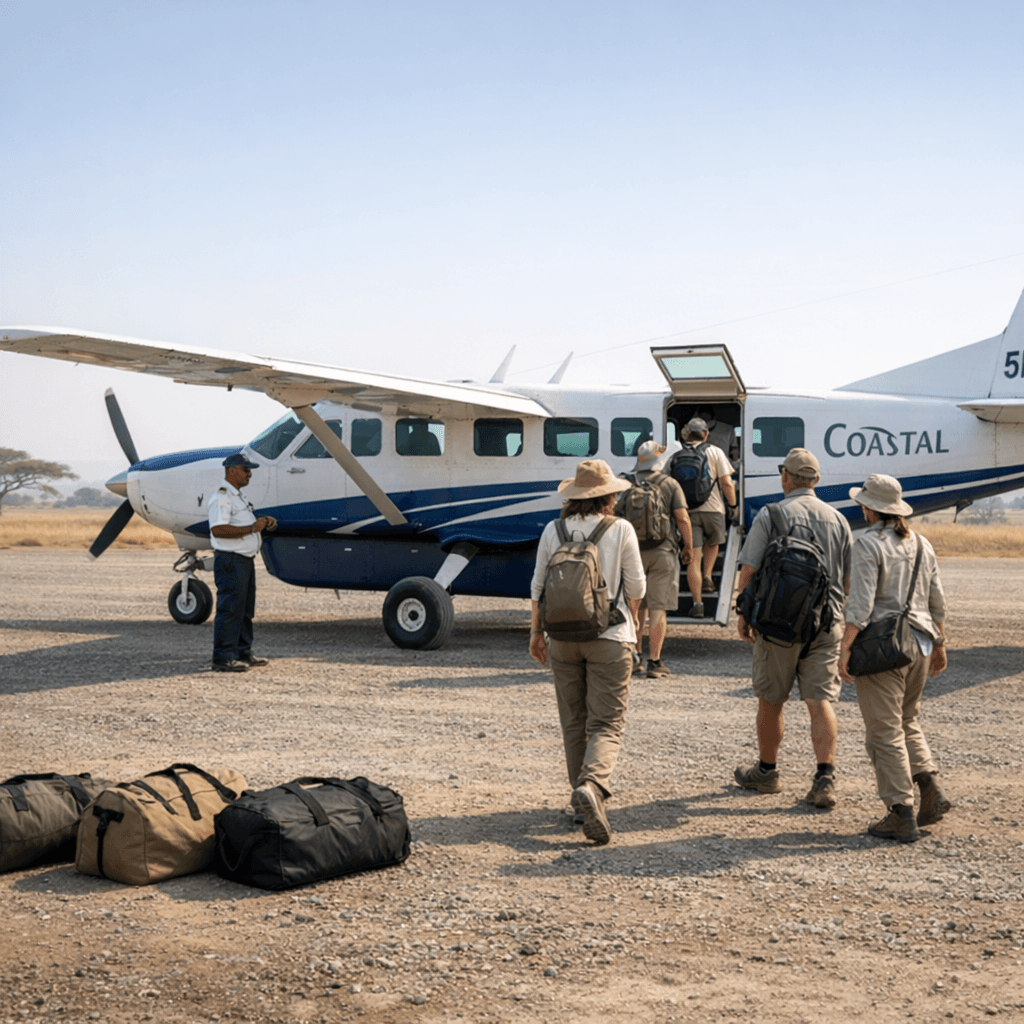
Three options exist. The bush airstrip direct flight via Coastal Aviation is the fastest but costs most. Kilimanjaro Airport via Precision Air is cheaper but requires a road transfer. The bus-plus-ferry route is for travelers with time and a very tight budget only.
Option 1 — Bush Airstrip to ZNZ (Coastal Aviation / Auric Air)
Travelers ending their safari in Central or Northern Serengeti usually save an entire transit day by flying directly from a bush airstrip to Zanzibar (ZNZ). This is the fastest and most comfortable connection option, especially for mid-range and luxury safari itineraries.
Coastal Aviation and Auric Air operate scheduled bush flights from Seronera, Kogatende, Grumeti, and other Serengeti airstrips. These flights use small aircraft with strict luggage restrictions, so packing in a soft duffel bag from the start of the trip is essential.
| Bush Airstrip → Zanzibar (ZNZ) | |
|---|---|
| Airlines | Coastal Aviation, Auric Air |
| Cost per person | $250–$450 (scheduled) · $500–$900+ (charter) |
| Travel time | 2.5–4.5 hours including stops |
| Baggage | 15kg maximum · soft bags only |
| Best for | Mid-range and luxury travelers ending safari in Serengeti |
Operational note: Coastal Aviation schedules vary by season and passenger load. A flight shown in their timetable may be rerouted in the low season. Confirm departure times 48–72 hours before your safari ends. Book this flight before locking your safari end date — not the other way around.
Option 2 — Kilimanjaro/Arusha to ZNZ (Precision Air / Air Tanzania)
Travelers ending their safari near Ngorongoro Crater or Karatu often save money by driving to Kilimanjaro International Airport (JRO) and taking a scheduled commercial flight to Zanzibar (ZNZ). This route is slower than a Serengeti bush flight but remains the most practical option for budget and mid-range safari itineraries.
Precision Air usually offers the most reliable daily departures between JRO and Zanzibar, while Air Tanzania operates selected services depending on season and aircraft rotation. Allow extra transfer time during rainy months and Arusha traffic periods.
| JRO / Arusha → Zanzibar (ZNZ) | |
|---|---|
| Airlines | Precision Air, Air Tanzania |
| Cost per person | $180–$250 (economy, one-way) |
| Flight duration | 55–75 minutes |
| Road transfer | 90–150 minutes from Ngorongoro/Karatu area to JRO |
| Best for | Budget and mid-range travelers ending safari in Ngorongoro area |
Allow a minimum of 3 hours between safari vehicle arrival in Arusha and ZNZ flight departure. The road from Karatu to JRO takes 90–150 minutes in normal conditions — longer after rain.
Option 3 — Bus + Ferry (Budget Only)
The Arusha-to-Zanzibar bus and ferry route is the cheapest way to combine a Tanzania safari with Zanzibar, but it consumes almost an entire travel day. This option works best for backpackers, long-term travelers, or visitors extending their East Africa trip beyond two weeks.
Most travelers take an early morning bus from Arusha to Dar es Salaam, then continue by fast ferry from the harbor to Zanzibar. Delays from traffic, ferry schedules, and weather conditions are common, so avoid planning international departures on the same day.
| Bus + Ferry → Zanzibar | |
|---|---|
| Route | Arusha → Dar es Salaam (bus) → Zanzibar (fast ferry) |
| Cost | $55–$80 per person total |
| Total time | 10–13 hours |
| Recommended for | Travelers with 14+ days and an extreme budget constraint only |
This option consumes an entire travel day. It is not recommended for a standard 10–14-day combined trip.
Flight Route Comparison
The best safari-to-Zanzibar transfer depends on where your safari ends, your budget, and how much travel time you want to spend in transit. Bush flights from Serengeti save the most time, while JRO commercial flights reduce costs for travelers ending near Ngorongoro or Arusha.
The bus-and-ferry route remains the cheapest option, but it only makes sense for travelers with flexible schedules and very tight budgets. For most 10–14 day Tanzania safari and Zanzibar packages, flights are the more practical choice.
| Route | Airline | Cost/Person | Travel Time | Best For |
|---|---|---|---|---|
| Bush airstrip → ZNZ | Coastal Aviation, Auric Air | $250–$450 | 2.5–4.5 hrs | Luxury/mid-range, ends in Serengeti |
| JRO / Arusha → ZNZ | Precision Air, Air Tanzania | $180–$250 | 55–75 min flight + road | Budget/mid-range, ends near Ngorongoro |
| Bus + ferry | Various | $55–$80 | 10–13 hrs | Ultra-budget, 14+ day trips only |
3. Three Itinerary Structures
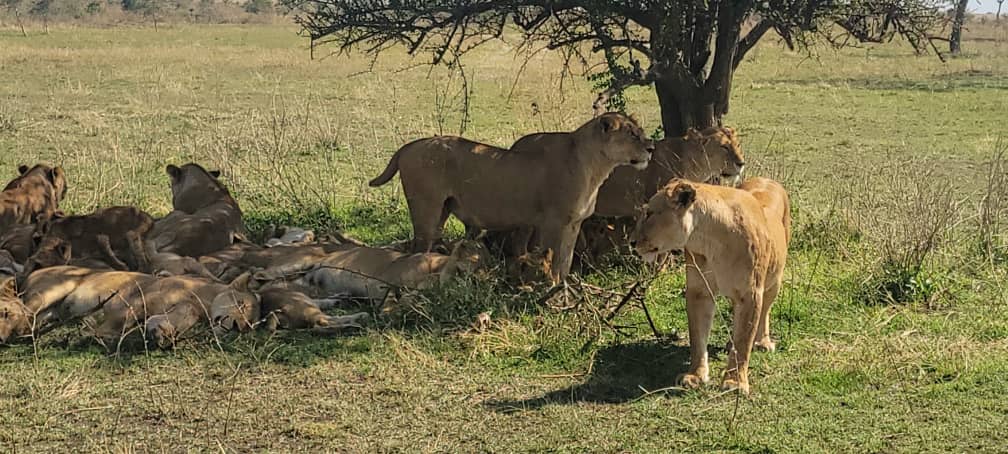
A 10-day classic combination (6 safari + 4 Zanzibar nights) suits most first-time Africa travelers. A 14-day deep dive (8 safari + 6 Zanzibar) suits wildlife enthusiasts wanting the northern Serengeti migration and relaxed beach recovery. An 11-day safari-heavy structure (9 safari + 2 Zanzibar) suits travelers returning for the beach after a previous circuit.
Itinerary 1: The Classic — 10 Days
Structure: 6 safari days · 4 Zanzibar nights
| Day | Location | Overnight |
|---|---|---|
| 1 | Arrive JRO · drive Tarangire (2.5 hrs) · afternoon game drive | Tarangire |
| 2 | Tarangire NP · elephant herds at Tarangire River | Tarangire |
| 3 | Drive Ngorongoro (4 hrs) · crater rim | Ngorongoro rim |
| 4 | Ngorongoro Crater descent · return rim by 6:00 PM (NCAA rule) | Ngorongoro rim |
| 5 | Drive Serengeti via Naabi Hill Gate (3.5 hrs) · afternoon game drive | Seronera area |
| 6 | Full day Serengeti · fly to ZNZ (Coastal Aviation or JRO + Precision Air) | Zanzibar |
| 7–9 | Zanzibar: beach, activities, optional Stone Town | Nungwi or Paje |
| 10 | Depart ZNZ | — |
Our 4-day Tanzania safari Manyara Serengeti Ngorongoro and 5-day Tanzania safari Tarangire Manyara Ngorongoro are both buildable into this 10-day structure with a Zanzibar extension.
Cost summary — 10-day classic:
| Tier | Safari 6 days | Safari → ZNZ flight | Zanzibar 4 nights | Activities + transfers | Total/person |
|---|---|---|---|---|---|
| Budget | $1,800 | $200 | $400 | $200 | $2,860 |
| Mid-range | $3,500 | $250 | $1,000 | $400 | $5,665 |
| Luxury | $6,000 | $450 | $2,500 | $800 | $10,725 |
International flights to JRO not included.
14-Day Tanzania Safari + Zanzibar Itinerary (Deep Dive Route)
This 14-day itinerary is designed for travelers who want full northern circuit coverage, including Tarangire elephant country, Ngorongoro Crater, central Serengeti plains, and the high-impact Mara River crossing zone in northern Serengeti (Kogatende) during July–August migration season. The trip finishes with a cultural stop in Stone Town before moving into Zanzibar’s beach zone.
| Day | Location | Overnight |
|---|---|---|
| 1 | Arrive JRO · transfer to Arusha | Arusha |
| 2–3 | Tarangire National Park · elephant herds, baobab landscapes, river game drives | Tarangire |
| 4–5 | Ngorongoro Conservation Area · rim stay + crater descent safari (600m depth) | Ngorongoro rim |
| 6 | Drive via Naabi Hill Gate into Central Serengeti · afternoon game drive | Seronera |
| 7–8 | Northern Serengeti (Kogatende) · Mara River crossing zone (seasonal July–Aug migration) | Northern Serengeti camp |
| 9 | Flight Kogatende → Zanzibar (ZNZ) via Coastal Aviation · Stone Town arrival | Stone Town |
| 10 | Stone Town guided cultural tour · spice markets · transfer to north coast | Nungwi / Kendwa |
| 11–14 | Zanzibar north coast · snorkeling, dhow cruise, beach leisure, optional reef tours | Nungwi / Kendwa |
Cost summary — 14-day deep dive:
Budget options use shared safari vehicles + basic camps/lodges, mid-range upgrades to comfortable lodges with better location inside parks, and luxury includes premium tented camps + beachfront resorts with private transfers and upgraded flights.
| Tier | Safari 8 days | Flight | Stone Town 1 night | Beach 4 nights | Activities | Total/person |
|---|---|---|---|---|---|---|
| Budget | $2,400 | $200 | $80 | $400 | $250 | $3,663 |
| Mid-range | $4,800 | $350 | $200 | $1,100 | $500 | $7,645 |
| Luxury | $8,500 | $450 | $500 | $2,800 | $1,000 | $14,575 |
11-Day Safari-Heavy Tanzania Itinerary (Northern Circuit + Short Zanzibar Reset)
This 11-day route is built for travelers who prioritize maximum game viewing time inside Tanzania’s Northern Circuit. You spend 9 full safari days moving through Tarangire, Lake Manyara, Ngorongoro, and Serengeti (Seronera + Gol Kopjes cheetah zone), then finish with a short recovery stay on Zanzibar’s east coast before departure.
It’s ideal for wildlife-focused travelers who want less beach, more predator tracking, and extended time inside Serengeti ecosystem zones.
| Day | Location | Overnight |
|---|---|---|
| 1 | Arrive JRO · transfer to Arusha | Arusha |
| 2 | Tarangire National Park · elephant herds, baobab valleys, river game drives | Tarangire |
| 3 | Lake Manyara National Park · tree-climbing lions (Panthera leo), flamingos, groundwater forest | Lake Manyara area |
| 4–5 | Ngorongoro Conservation Area · rim stay + crater descent safari (UNESCO World Heritage ecosystem) | Ngorongoro rim |
| 6–8 | Central Serengeti (Seronera) · Gol Kopjes cheetah zone (Acinonyx jubatus) · big cat tracking | Seronera |
| 9 | Morning game drive · flight Serengeti → Zanzibar (ZNZ) · transfer to east coast | Paje / Jambiani |
| 10″>10 | Zanzibar east coast beach day · snorkeling, sandbanks, dhow sailing | East coast |
| 11 | Depart Zanzibar (ZNZ) | — |
Cost summary — 11-day safari-heavy:
Expect pricing variation based on season (especially June–October migration in Serengeti), lodge location inside vs outside parks, and internal flight routing (Serengeti airstrips vs Kogatende/Seronera)
| Tier | Safari 9 days | Flight | Zanzibar 2 nights | Activities | Total/person |
|---|---|---|---|---|---|
| Budget | $2,700 | $200 | $200 | $100 | $3,520 |
| Mid-range | $5,400 | $300 | $500 | $200 | $7,040 |
| Luxury | $9,000 | $450 | $1,200 | $400 | $12,155 |
4. Which Zanzibar Zone Matches Your Safari Style
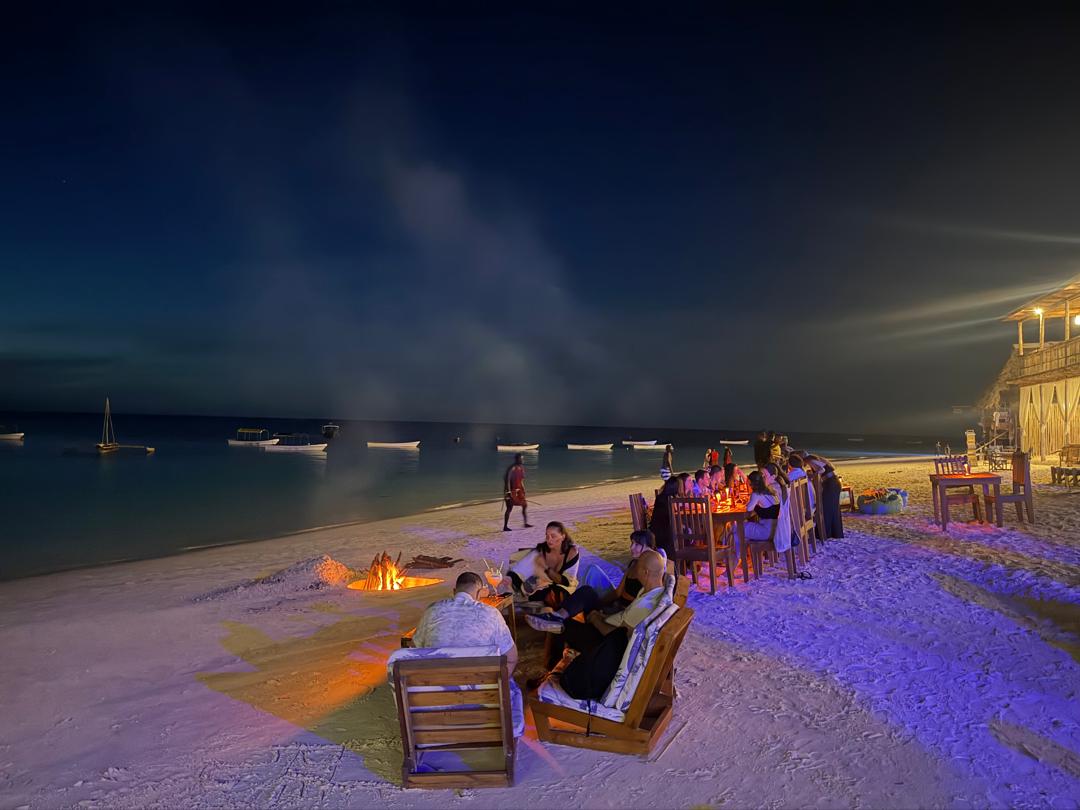
North Zanzibar (Nungwi, Kendwa) has calm, swimmable water year-round and suits mid-range to luxury safari travelers. The East coast (Paje, Jambiani) is affordable, tidal, and suits budget travelers and kite-surfers. Stone Town suits a 1–2 night cultural stopover only — not beach relaxation. Choosing the wrong zone is the second most common planning mistake after poor timing.
North Zone — Nungwi and Kendwa
Calm, swimmable water year-round. No tidal problem. Sunset faces west over the ocean. High-end resorts cluster here — Zuri Zanzibar, Gold Zanzibar, Riu Palace, among them. Snorkeling day trips to Mnemba Atoll depart from Nungwi (30 minutes by boat). Price range: $200–$800+ per room per night.
Match: Luxury and mid-range safari travelers wanting quality continuity from bush to beach. Our Tanzania Honeymoon Safari & Zanzibar 2026 guide covers the north Zanzibar resort selection for couples in detail.
East Coast — Paje and Jambiani
More natural setting, lower prices ($30–$150 per night). Tidal fluctuation is significant — at low tide, the water recedes 300–500 meters. Paje is the kite-surfing capital of Zanzibar; wind conditions are consistent from June to September and January to February.
Match: Budget travelers and active travelers. Travelers coming off a budget camping safari in Tanzania find the East Coast atmosphere a natural continuation of the trip’s tone.
Stone Town — Cultural Stopover Only
UNESCO World Heritage Site. Arab, Persian, Indian, and African architecture in narrow alleyways. Worth 1–2 nights as a cultural transition on arrival at ZNZ. Beaches near Stone Town are not of a swim-quality. Use Stone Town as an arrival-night stopover before transferring to your beach zone the next morning.
Southeast — Michamvi Peninsula
Quieter than Paje. A handful of boutique properties — Breezes Beach Club, Kichanga Lodge. Shares the East Coast tidal pattern. Good for couples seeking seclusion at mid-range prices. Explore more options at Zanzibar Beach.
Zanzibar Zone Matching Summary (Safari Extension Guide)
This matrix is used in Tanzania safari planning to match safari budget level + traveler intent with the correct Zanzibar coastline. It reduces mismatch cases where clients book high-end safaris but end up in low-quality beach zones or poor swimming conditions.
Zanzibar is highly tide-sensitive (east coast) and luxury-concentrated (north coast), so correct zoning directly affects guest satisfaction and review scores.
| Safari Tier | Zanzibar Zone | Why |
|---|---|---|
| Luxury | Nungwi or Kendwa | Calm water year-round, premium beachfront resorts, seamless transition from high-end safari lodges |
| Mid-range | Nungwi or Michamvi | Balanced pricing, strong activity options, swimmable beaches with good infrastructure |
| Budget | Paje or Jambiani | Lower-cost stays, authentic village atmosphere, kite-surfing hub, tide-dependent swimming |
| Culture-focused | Stone Town (1–2 nights) + beach zone | Historic arrival point, UNESCO architecture, spice trade heritage before coastal relaxation |
| Honeymoon | Kendwa or Michamvi | Quiet beaches, fewer crowds, sunset positioning, privacy-focused resorts |
5. Best Months for Both Destinations
July–September is the only window where Serengeti and north Zanzibar simultaneously perform at their highest. January–February is the best alternative — calving season in southern Serengeti and dry conditions on Zanzibar’s north coast. Avoid March–May (long rains) for any combined trip.
Primary Window: July–September
Safari: Dry season peak on the Northern Circuit. Minimal vegetation, animals concentrated at water sources, and the northern Serengeti (Kogatende) hosts blue wildebeest (Connochaetes taurinus) Mara River crossings. This is the most photographed wildlife event in East Africa.
Zanzibar: The north coast is dry, sunny, with low humidity, and excellent water clarity. The East Coast has strong winds — good for kite-surfing, less ideal for casual swimming.
Trade-off: Most popular window. Safari lodges and north Zanzibar resorts book out 6–9 months in advance. Prices peak across all tiers.
Alternative Window: January–February
Safari: Calving season in the southern Serengeti and Ndutu plains. African lion (Panthera leo), cheetah, and spotted hyena (Crocuta crocuta) concentrate intensely where wildebeest calves appear. One of the most dramatic predator-viewing windows of the year.
Zanzibar: Dry and hot on the north coast (28–32°C). Higher humidity than July–September but manageable. Fewer crowds and lower hotel rates.
Shoulder Months: June and October
Both are viable — June for the improving dry season before crowds peak, October for the end of dry season before short rains arrive. Zanzibar’s north coast performs well in both. October east coast sees increased kite wind.
Months to Avoid
March–May: long rains across mainland Tanzania and Zanzibar. Serengeti roads become muddy, animals disperse, and Zanzibar beach days are unreliable. Not recommended for any combined trip.
Tanzania Safari + Zanzibar Seasonality Guide (Month-by-Month Planning Matrix)
Northern Tanzania is driven by Great Migration cycles + predator density, while Zanzibar performance depends on monsoon wind patterns and tidal stability (especially east coast Paje/Jambiani).
| Month | Safari Quality | North Zanzibar | East Zanzibar | Verdict |
|---|---|---|---|---|
| January | 4/5 | 4/5 | 3/5 | Good alternative |
| February | 5/5 (calving peak) | 4/5 | 3/5 | Excellent |
| March | 3/5 | 2/5 | 2/5 | Avoid combined |
| April | 2/5 | 1/5 | 1/5 | Avoid |
| May | 2/5 | 2/5 | 2/5 | Avoid combined |
| June | 4/5 | 4/5 | 3/5 | Good shoulder |
| July | 5/5 | 5/5 | 4/5 | Peak — book early |
| August | 5/5 (river crossings) | 5/5 | 4/5 | Peak — highest prices |
| September | 5/5 | 5/5 | 3/5 | Peak — best overall |
| October | 4/5 | 4/5 | 4/5 (kite wind) | Good shoulder |
| November | 3/5 | 3/5 | 2/5 | Check specific dates |
| December | 3/5 | 4/5 | 3/5 | Reasonable |
6. Full Cost Breakdown
A 10-day classic combination costs $2,860–$10,725 per person, depending on accommodation tier, transfer flight choice, and Zanzibar zone. International flights to Tanzania add $800–$1,400 per person. Park fees alone for Serengeti, Ngorongoro, and Tarangire total $580–$650 per person — any quote below this fee floor excludes fees.
The tables in Section 3 show the full breakdown by itinerary. For lodge selection at mid-range tier, see Best Mid-Range Safari Lodges in Tanzania 2026. For families planning this combination, Tanzania Safari With Kids: Age Limits & Safety 2026 covers age-appropriate itinerary structures.
What each tier gets you in practice:
Budget ($2,860 / 10 days): Public campsites in safari parks, shared group Land Cruiser (4–6 travelers), budget guesthouses or east coast Zanzibar properties, Precision Air transfer flight from JRO.
Mid-range ($5,665 / 10 days): Private tented camps or mid-range lodges with en-suite facilities, private or semi-private vehicle, north Zanzibar 3–4 star resort, Coastal Aviation or Precision Air transfer.
Luxury ($10,725 / 10 days): Premium tented camps (Singita, &Beyond, Four Seasons level), fully private vehicle with personal guide, high-end Zanzibar resort (Zuri, Gold Zanzibar, The Residence), direct Coastal Aviation bush flight.
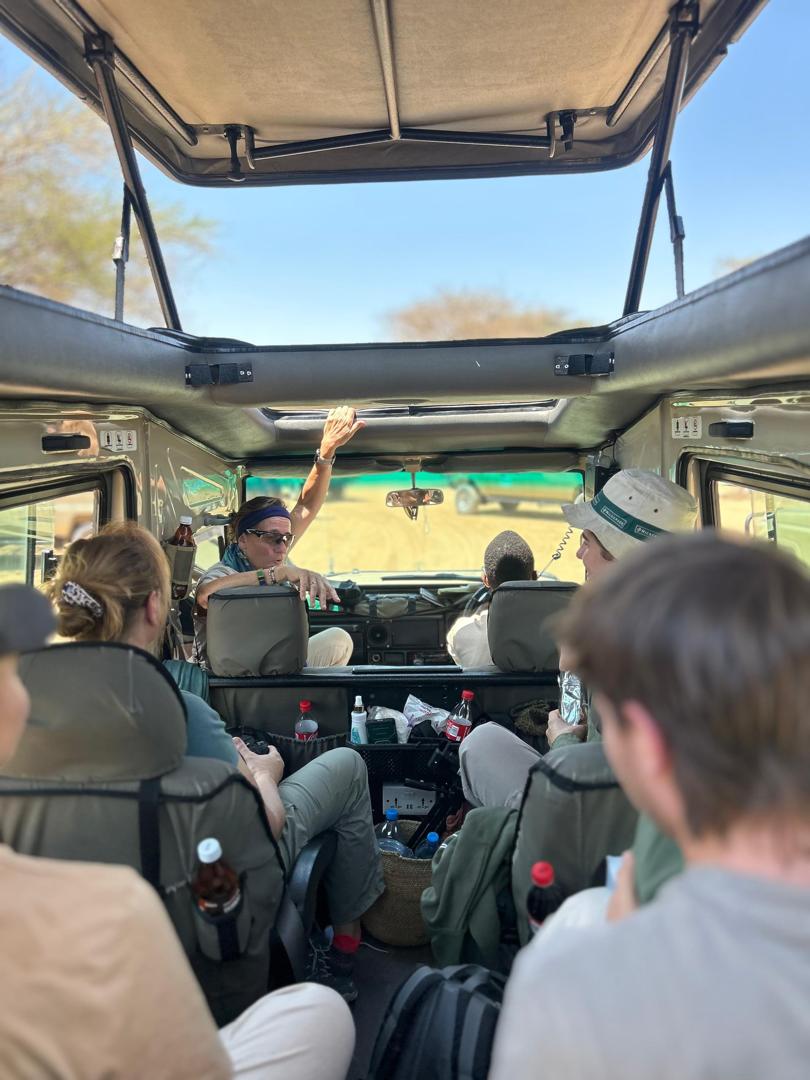
7. What Nobody Tells You
Five operational realities that most Tanzania safari and Zanzibar package articles omit:
1. Coastal Aviation schedules are not guaranteed. A listed departure from Seronera may be rerouted or cancelled at short notice in the low season due to insufficient passenger loads. Always confirm the flight 48–72 hours before your safari ends. Build one buffer night into your last safari location if this is a concern.
2. Zanzibar’s east coast becomes unwalkable at low tide. At Paje and Jambiani, low tide recedes 300–500 meters. At peak low tide, you walk through ankle-deep water over tidal flats for 15 minutes before it is deep enough to swim. This is the ecology of the East Coast, not a defect. Check tide charts for your specific dates before booking East Coast accommodation.
3. The drive from Karatu to JRO takes longer than any itinerary shows. Most itineraries list this as 2 hours. In reality, the drive from Karatu or the Ngorongoro rim to Kilimanjaro Airport takes 2.5–3.5 hours, depending on road conditions and Arusha traffic. If you have a ZNZ afternoon flight, end your Ngorongoro morning game drive by 9:00 AM and be off the rim by 10:00 AM.
4. Zanzibar immigration is separate from Tanzania mainland immigration. Even though Zanzibar is part of Tanzania, you clear a separate immigration stamp process on arrival at ZNZ airport. Allow 15–30 minutes for this. It will not delay a connecting domestic transfer but will affect tight arrival schedules.
5. Moving accommodation every night for 10 days is exhausting. Two nights minimum per location is the threshold below which logistics start undermining the experience. The most common regret from travelers who try to pack too many parks into a combined trip is that they spent more time in the vehicle than watching wildlife.
8. Who Should Reconsider This Combination
A 7-day safari-plus-Zanzibar trip is the minimum viable option — 4 safari days and 3 beach nights. This is genuinely tight and only works for travelers who have already done the Northern Circuit. First-time safari travelers need 10 days minimum to experience both destinations meaningfully. Some traveler types are better served by focusing on one destination.
Consider safari only if: You have under 8 days total and have not done the Northern Circuit before. A rushed 4-day safari combined with 2 beach nights delivers neither experience properly.
Consider Zanzibar only if: You are recovering from illness, have severe back problems that rule out vehicle travel, or are specifically combining Mount Kilimanjaro Climbing with beach recovery — in which case the summit effort makes a full safari unnecessary.
Families with children: The combination works well for children over 7 with proper planning. The main challenges are long vehicle days and bush flight weight restrictions. Full guidance at Tanzania Safari With Kids: Age Limits & Safety 2026.
Ready to plan your specific dates? Contact the team at Kilimania Adventure — WhatsApp wa.me/255756449990 · Email: info@kilimania.co.tz Full itemized quote within 12 hours. Park fees by park and day. Crater descent per passenger. Complete inclusion/exclusion list. No gate surprises. Verify TATO registration: tatotz.org · Park fees: tanzaniaparks.go.tz · NCAA: ncaa.go.tz
Tanzania Safari and Zanzibar Package — FAQ
How do I get from Serengeti to Zanzibar?
Fly directly from Serengeti airstrips (Seronera, Kogatende, Ndutu, Grumeti) to Zanzibar via Coastal Aviation or Auric Air: $250–$450, 2.5–4.5 hours.
Cheaper option: road to JRO + Precision Air flight: $180–$250, ~1 hour flight.
Safari first or Zanzibar first?
Always safari first, then Zanzibar. Safaris start early (06:00) and need energy. Zanzibar is for rest and a slow travel rhythm. Also, bush flights have 15kg soft bag limits, easier at the end of the safari
Best time for safari + Zanzibar?
July–September: peak safari + best Zanzibar weather (top overall)
Jan–Feb: calving season + good beaches
Avoid March–May (heavy rains, lower safari quality).
Do I need a visa for Zanzibar?
No separate visa. One Tanzania visa ($50, $100 for US) covers both mainland and Zanzibar. Apply via the official immigration portal.
How many nights in Zanzibar after the safari?
Minimum 3 nights, ideal 4 nights. More than 6 nights suits honeymoon or slow travel. Less than 3 nights feels rushed.
Best Zanzibar area after safari?
Nungwi / Kendwa: best beaches, calm water, mid–luxury
Paje / Jambiani: budget, kite surfing, tidal beaches
Stone Town: 1–2 nights for culture only
Total cost of Tanzania safari + Zanzibar?
Budget: $2,860
Mid-range: $5,665
Luxury: $10,725
(excludes international flights: $800–$1,400)
How early should I book?
Peak (Jul–Sep): 6–9 months ahead
Jan–Feb: 4–6 months
Low season: flexible, but fewer lodge options
Conclusion
Three decisions determine whether a Tanzania safari and Zanzibar package works well or feels rushed. Do safari first — the 6:00 AM game drive schedule and 15kg bush flight restriction both make this non-negotiable. Choose the Zanzibar zone that matches your safari tier: north coast for calm water and quality, east coast for budget and an active atmosphere. Book in July–September for simultaneous peak conditions across both destinations, or January–February for the calving season alternative.
Ten days is the minimum for experiencing both destinations properly. Fourteen days gives you room to breathe, include the northern Serengeti migration corridor, and spend real time in Zanzibar rather than just passing through. Any quote that cannot show park fees as a line item — Serengeti at $82.60 per adult per day, crater descent at $295 per vehicle — is incomplete before you have even started comparing operators.
We Walk With You.
Disclosure: This article is written by Kilimania Adventure, a TATO-registered safari operator based in Moshi, Tanzania. We have a commercial interest in Tanzania safari bookings. All prices are verified 2026 figures from our own operations and published airline schedules. We encourage you to compare quotes with at least two other TATO-registered operators before booking.
Written by: Sabinus Msimba — Senior Safari Guide and Co-founder, Kilimania Adventure. 22 years guiding Northern Circuit safaris. 300+ Kilimanjaro summits. Based in Moshi, Kilimanjaro Region, Tanzania. Last reviewed: June 2026
For International Travelers All prices in USD. Conversions: $2,800 ≈ £2,200 | €2,620 | AU$4,260. Flights to Kilimanjaro International Airport (JRO): New York/Los Angeles $800–$1,400 return · London £550–£900 · Sydney AU$1,400–AU$2,200. Tanzania e-visa: $50 most nationalities | $100 US citizens. Apply at immigration.go.tz minimum 7 days before travel. Use Visa/Mastercard on Chrome or Firefox. Kilimania Adventure operates EAT (UTC+3). All quote requests answered within 12 hours, 7 days per week.
Data notice: Flight costs, park fees, and conservation charges can change without advance notice. All figures reflect June 2026 published rates. Verify current fees at tanzaniaparks.go.tz and ncaa.go.tz before booking.
At 11:00 AM at Seronera airstrip in Central Serengeti, a Cessna Caravan loads soft duffel bags into the hold. In 3.5 hours, those same passengers stand barefoot at Nungwi beach. That is what a well-planned Tanzania safari and Zanzibar package looks like in practice — two completely different worlds, connected by one bush flight.
This guide covers the transfer logistics, correct sequencing, Zanzibar zone matching, timing, and costs. It does not repeat safari park fee detail — that is in our Tanzania Safaris guide.